
NEWS

news category

Table of Contents

    Last News

    What Is an LPG Cylinder Steel Disc? How Steel Blanks Become Deep-Drawn Cylinder Halves
      An LPG cylinder steel disc is the circular steel blank used before deep drawing forms the upper...
    LPG Cylinder Manufacturing Process: From Steel Coil to a Tested Cylinder
      The LPG cylinder manufacturing process turns controlled steel stock into a welded, heat-treated,...
    Steel Coil vs Pre-Cut Steel Blanks for LPG Cylinder Manufacturing: Which Is Better for Your Factory?
      LPG cylinder manufacturers can buy steel coil and blank circular discs in-house, or purchase...
    LPG Cylinder Manufacturing Process: From Steel Coil to Final Testing
      For B2B buyers, understanding the LPG cylinder manufacturing process is a practical way to judge...
    OEM LPG Cylinder Specification Checklist: Capacity, Valve, Color, Markings, and RFQ Requirements
      An OEM LPG cylinder specification checklist should convert market requirements into a cylinder...
    45kg LPG Cylinders for Restaurants and Commercial Kitchens: Sizing and Buyer Requirements
      A 45kg LPG cylinder for restaurant use can reduce replacement frequency and support higher fuel...
    Small LPG Cylinders for African Clean Cooking Programs: A B2B Procurement Guide
      Small LPG cylinders for African clean cooking programs can lower the cash required for a full...
    How to Specify LPG Cylinders for a Branded Cylinder Recirculation Model
      Specifying LPG cylinders for a branded cylinder recirculation model is not simply a matter of...
    LPG Cylinder Types Explained: Domestic vs Commercial Sizes, Uses, and B2B Selection
      The main LPG cylinder types are portable, domestic, commercial, and light-industrial cylinders....
    LPG Cylinder Size and Dimensions Chart: 3kg to 45kg
      LPG cylinder dimensions are not determined by nominal gas capacity alone. Two cylinders labeled...
    What Is an LPG Cylinder Steel Disc? How Steel Blanks Become Deep-Drawn Cylinder Halves
    LPG Cylinder Manufacturing Process: From Steel Coil to a Tested Cylinder
    Steel Coil vs Pre-Cut Steel Blanks for LPG Cylinder Manufacturing: Which Is Better for Your Factory?
    LPG Cylinder Manufacturing Process: From Steel Coil to Final Testing
    OEM LPG Cylinder Specification Checklist: Capacity, Valve, Color, Markings, and RFQ Requirements
    45kg LPG Cylinders for Restaurants and Commercial Kitchens: Sizing and Buyer Requirements
    Small LPG Cylinders for African Clean Cooking Programs: A B2B Procurement Guide
    How to Specify LPG Cylinders for a Branded Cylinder Recirculation Model
    LPG Cylinder Types Explained: Domestic vs Commercial Sizes, Uses, and B2B Selection
    LPG Cylinder Size and Dimensions Chart: 3kg to 45kg

    contact us

    Refillable vs Disposable Gas Cylinders: Which Is Better for Bulk Buyers

    Refillable vs Disposable Gas Cylinders Which Is Better for Bulk Buyers

    Growing Demand for Industrial Gas Cylinders

    Industrial gas use has jumped up in the last few years. This growth stems from growing manufacturing, energy, and healthcare fields. Businesses that count on gases like oxygen, nitrogen, or LPG need to choose the best storage and delivery method. It really matters for their work. Bulk buyers now stress on saving costs, following safety rules, and keeping operations smooth when getting supplies from an industrial gas cylinder supplier. The key picks are refillable and disposable gas cylinders. The two primary options—refillable and disposable gas cylinders—each serve different operational needs. The decision between them can significantly influence long-term cost structures and productivity outcomes.

    Refillable Gas Cylinders Overview

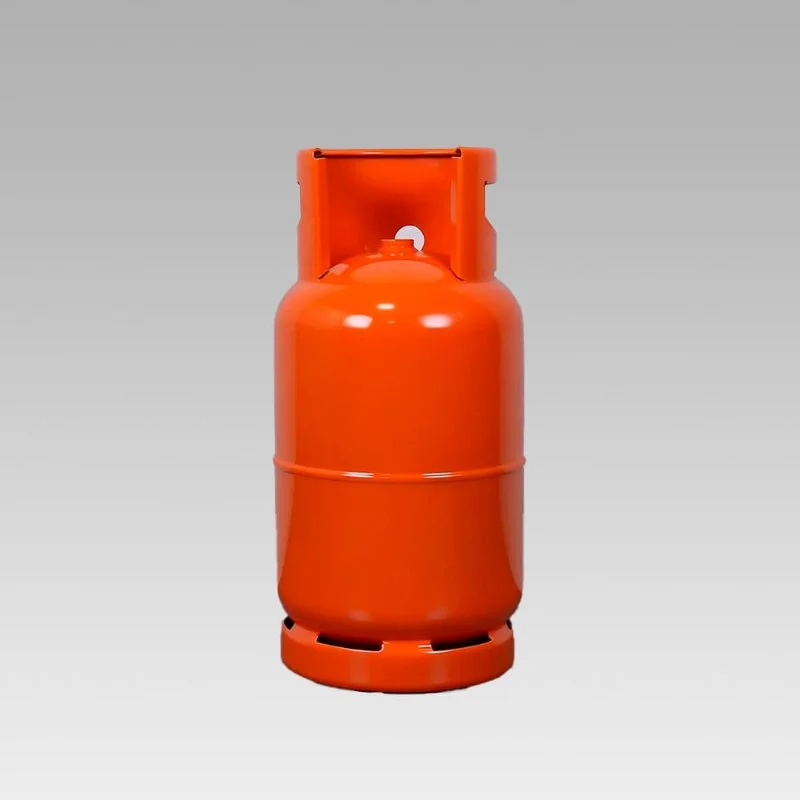
    Refillable gas cylinders get made for use over and over through many filling rounds. They come from strong materials such as HP295 or Q235B steel. These handle high working pressures and repeated refills well. Mintai Cylinder stands out in producing sturdy LPG gas cylinders globally. The emphasis remains on providing secure, dependable, and tough gas storage choices. Such features make refillable types a top pick for sectors that use big amounts of gas each day. Think of welding shops, metal working sites, or chemical plants.
    mintai-cylinder-15kg-lpg-gas-cylinder

    Refillable cylinders need more money at the start than disposable ones. Yet their long service time brings better overall worth. Many firms see them as key assets, not just throwaway items. In the end, their ability to reuse cuts down on how often they get replaced. It also lowers waste buildup.

    Disposable Gas Cylinders Overview

    Disposable or one-time gas cylinders suit limited jobs. They weigh less and move easily. This makes them great for labs, emergency kits, or brief building projects. Their ease comes from skipping return trips or refill setups. Still, the downside shows up clear: regular swaps raise total costs as time goes on.

    For example, a small lab doing tests now and then might like disposable cylinders. This works because of their low gas needs. However, for steady work that demands constant gas flow, disposables turn out wasteful. They hurt both the budget and the environment in the long run.

    Cost and Efficiency Comparison

    When weighing costs, the choice between refillable and disposable setups stays key. Refillable cylinders save money in the long haul. They can get reused hundreds of times if cared for right. Buying in bulk drops the price per unit too. Suppliers often give deals based on order size for refillable kinds.

    Disposable cylinders look less expensive up front. But they bring ongoing costs with each new buy. For big users, such as factories or power sites, the full ownership cost points to refillables. This shift happens after only a few months of regular use.

    Criteria Refillable Cylinders Disposable Cylinders
    Initial Cost Higher Lower
    Lifecycle Cost Lower (long-term savings) Higher (frequent replacements)
    Maintenance Regular inspection required None
    Environmental Impact Sustainable (reusable) Generates more waste

    The full lifecycle math leans toward refillable choices for bulk buyers who want steady budgets.

    Safety, Compliance & Sustainability

    Safety rules vary a good deal between cylinder kinds. Refillable ones face regular checks to meet global certifications like ISO4706 or EN1442. It endures a working pressure of 21bar and takes a test pressure of 31bar. Such strict tests make sure they perform well even in tough work settings.

    On the other hand, disposable cylinders skip repeat checks. But they add more trash once thrown out. From a green view, refillables match sustainability aims better. Their reuse cuts the carbon mark over years.

    As sectors shift to eco-friendly buying rules, green factors turn into a main buy reason. They sit next to safety rules and steady supply.

    Application Scenarios

    Refillable gas cylinders lead in tough jobs where nonstop supply counts:

    • Manufacturing plants requiring steady oxygen or nitrogen flow
    • Welding workshops using acetylene or argon mixtures
    • Metallurgy processes needing high-pressure gases
    • Energy production facilities relying on fuel-grade gases

    Disposable cylinders work for smaller tasks:

    • Laboratory experiments
    • Emergency medical setups
    • Portable fieldwork
    • Temporary construction sites

    Every case calls for checking tech fit and logistics ease.

    How to Choose the Right Option

    Picking between refillable and disposable types means looking at key points:

    1. Usage Volume & Frequency– High-volume users gain more from refillables. This happens because of lower costs per fill.
    2. Total Cost of Ownership– Think beyond the buy price. Factor in refill trips, upkeep times, and trash fees too.
    3. Safety & Compliance– Check that they follow global cylinder rules.
    4. Sustainability Goals– Groups chasing ESG aims should pick reusable setups.
    5. Supply Stability– Teaming with a skilled industrial gas cylinder supplier ensures reliable stock.

    Industry Example: Mintai Cylinder Solutions

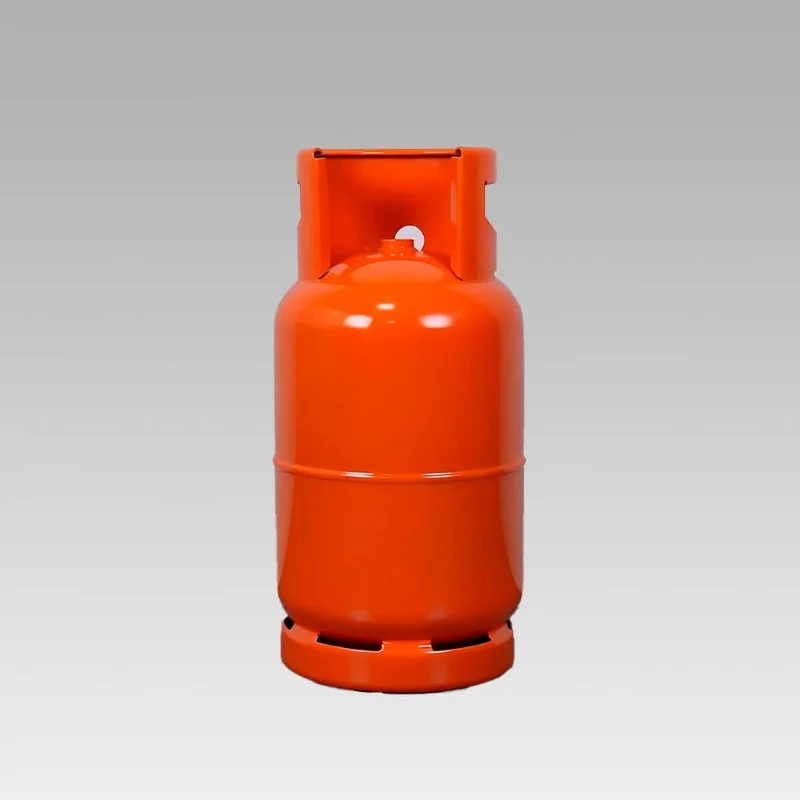
    Mintai Cylinder shows top quality in this field. They offer strong refillable gas cylinder options made for world markets. The 12.5kg LPG Gas Cylinder from Mintai Cylinder fits the fuel wants of homes and firms in Ghana. It proves how careful design leads to real dependability in different places. From home kitchens to small work sites, it holds up.

    For bulk buyers seeking dependable supply chains, Mintai supports large-scale procurement programs with stable production capacity and international export experience. Production uses HP295/Q235B steel. Controlled processes shape each cylinder. This approach guarantees consistent quality across every shipment while meeting strict safety benchmarks.

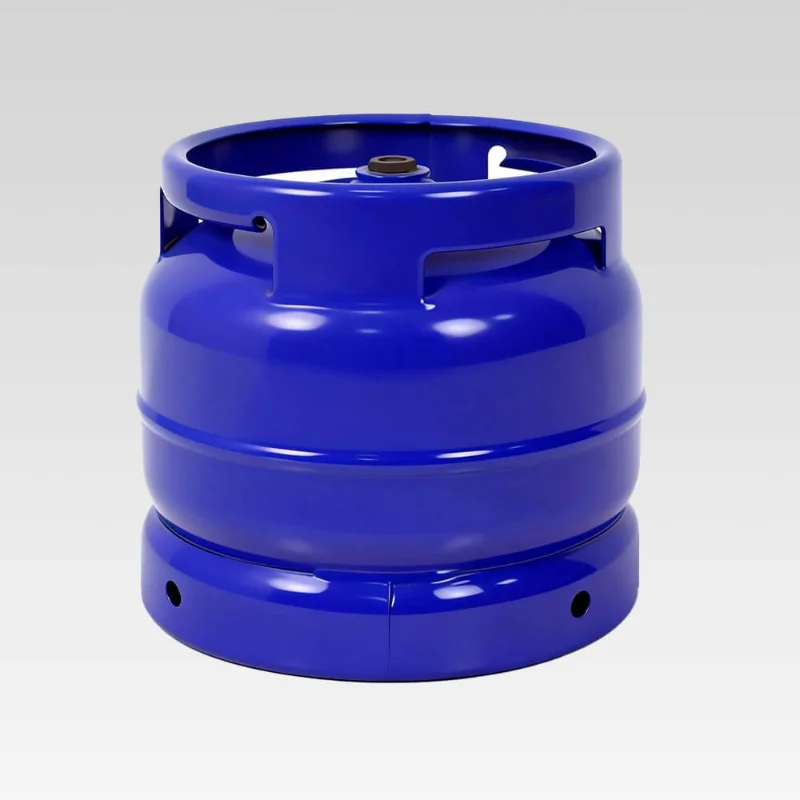
    Beyond standard sizes like 6kg or 12.5kg LPG units, Mintai also provides OEM customization—including branding options, valve configurations (POL/CGA/QCC), and color variations—to meet specific market requirements.
    6kg-lpg-camping-gas-cylinder

    Conclusion

    Refillable gas cylinders usually bring better worth for large industrial buyers. This happens because of their savings on costs, safety rule systems, and green edges over disposables. One-time types still work well for short-term or on-the-move jobs. Yet most steady users see refillables as cheaper once the full life cycle gets looked at. Take a metal shop in Europe; they cut waste by half after years of using refillables, drawing from real supplier case studies.

    For companies planning large-scale procurement of bulk gas cylinders or hunting a solid partner with steady quality worldwide, working with Mintai Cylinder brings real gains. These include reliable supply chains, better work costs, and safer spots through proven design.

    FAQs

    Q1: What is the main difference between refillable and disposable gas cylinders?

    A: Refillable cylinders can be reused multiple times after refilling cycles, whereas disposable ones are meant for single-use applications before disposal.

    Q2: Which type suits bulk industrial use better?

    A: Refillable models are typically more cost-effective for bulk usage because they reduce replacement frequency.

    Q3: Are refillable cylinders safer?

    A: Yes—they undergo periodic testing under international standards such as ISO4706 or EN1442 to maintain structural integrity during repeated use.

    Q4: What industries rely heavily on bulk gas cylinders?

    A: Manufacturing plants, welding operations, metallurgy sectors, energy producers, and chemical processing facilities all depend on steady access to compressed gases supplied through reliable refillable systems.

    Q5: How can buyers select a trustworthy industrial gas cylinder supplier?

    A: Look for certifications proving compliance with global standards, evidence of export experience across multiple regions, strong production capacity for bulk orders, and proven after-sales support.

    Share the Post:

    Last News

    What Is an LPG Cylinder Steel Disc? How Steel Blanks Become Deep-Drawn Cylinder Halves
      An LPG cylinder steel disc is the circular steel blank used before deep drawing forms the upper...
    LPG Cylinder Manufacturing Process: From Steel Coil to a Tested Cylinder
      The LPG cylinder manufacturing process turns controlled steel stock into a welded, heat-treated,...
    Steel Coil vs Pre-Cut Steel Blanks for LPG Cylinder Manufacturing: Which Is Better for Your Factory?
      LPG cylinder manufacturers can buy steel coil and blank circular discs in-house, or purchase...
    LPG Cylinder Manufacturing Process: From Steel Coil to Final Testing
      For B2B buyers, understanding the LPG cylinder manufacturing process is a practical way to judge...
    OEM LPG Cylinder Specification Checklist: Capacity, Valve, Color, Markings, and RFQ Requirements
      An OEM LPG cylinder specification checklist should convert market requirements into a cylinder...
    45kg LPG Cylinders for Restaurants and Commercial Kitchens: Sizing and Buyer Requirements
      A 45kg LPG cylinder for restaurant use can reduce replacement frequency and support higher fuel...
    Small LPG Cylinders for African Clean Cooking Programs: A B2B Procurement Guide
      Small LPG cylinders for African clean cooking programs can lower the cash required for a full...
    How to Specify LPG Cylinders for a Branded Cylinder Recirculation Model
      Specifying LPG cylinders for a branded cylinder recirculation model is not simply a matter of...
    LPG Cylinder Types Explained: Domestic vs Commercial Sizes, Uses, and B2B Selection
      The main LPG cylinder types are portable, domestic, commercial, and light-industrial cylinders....
    LPG Cylinder Size and Dimensions Chart: 3kg to 45kg
      LPG cylinder dimensions are not determined by nominal gas capacity alone. Two cylinders labeled...
    What Is an LPG Cylinder Steel Disc? How Steel Blanks Become Deep-Drawn Cylinder Halves
    LPG Cylinder Manufacturing Process: From Steel Coil to a Tested Cylinder
    Steel Coil vs Pre-Cut Steel Blanks for LPG Cylinder Manufacturing: Which Is Better for Your Factory?
    LPG Cylinder Manufacturing Process: From Steel Coil to Final Testing
    OEM LPG Cylinder Specification Checklist: Capacity, Valve, Color, Markings, and RFQ Requirements
    45kg LPG Cylinders for Restaurants and Commercial Kitchens: Sizing and Buyer Requirements
    Small LPG Cylinders for African Clean Cooking Programs: A B2B Procurement Guide
    How to Specify LPG Cylinders for a Branded Cylinder Recirculation Model
    LPG Cylinder Types Explained: Domestic vs Commercial Sizes, Uses, and B2B Selection
    LPG Cylinder Size and Dimensions Chart: 3kg to 45kg

    contact us

    contact us

    Related products