
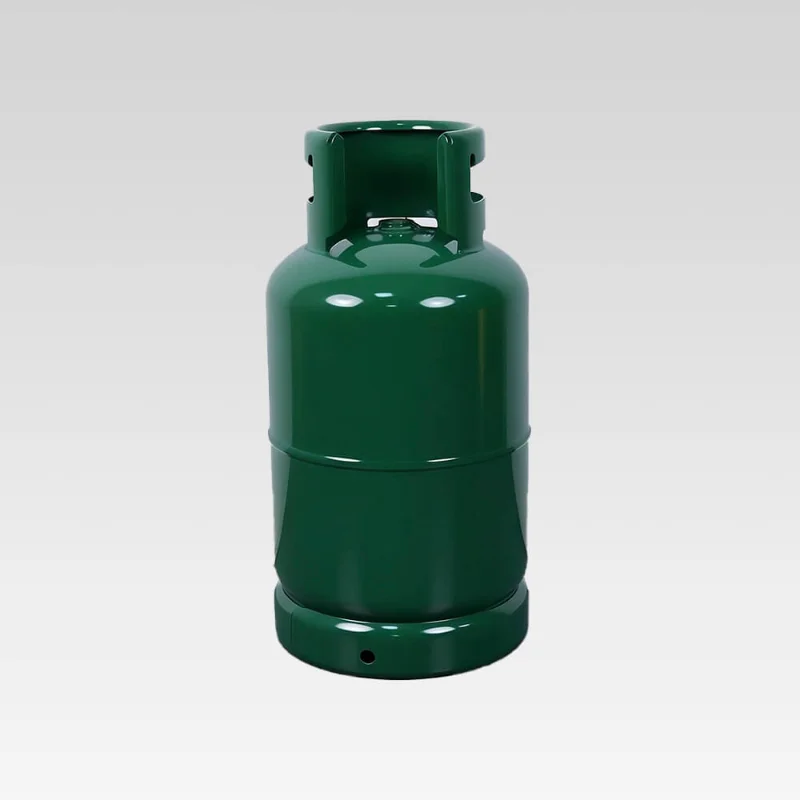
The worldwide need for LPG cylinders keeps climbing fast. This happens as energy use shifts in homes, factories, and shops. Families in growing areas move from wood fuels to cleaner options. Businesses pick easy-to-move gas setups. By 2026, the market looks strong. A solid LPG cylinder manufacturer plays a big role now. Supply lines get tighter. Safety rules get tougher too.
OEM deals sit at the heart of this change. Firms want partners who deliver steady quality. They must match global rules and ramp up output smoothly. Mintai Cylinder shines here. It stresses toughness, safety, and bendy OEM help for markets around the world. Mintai Cylinder makes and ships out 6kg LPG cylinders. It sends dependable camping gas cylinders to spots in Africa, Latin America, Southeast Asia, and South America.
LPG stands for liquefied petroleum gas. Cylinders act as tough containers. They hold and carry propane or butane in liquid shape safely. These provide a handy power source for cooking, warming spaces, and simple factory tasks.
Main uses cover several spots.
Growing spots in Africa, Latin America, and Southeast Asia grow quickest. This ties to better setups there. Take Ghana, for instance. The 12.5kg LPG Gas Cylinder from Mintai Cylinder fits home and shop fuel needs perfectly. Such tweaks push wider use in varied groups. And honestly, it’s fascinating how local tastes shape what sells best in these places.
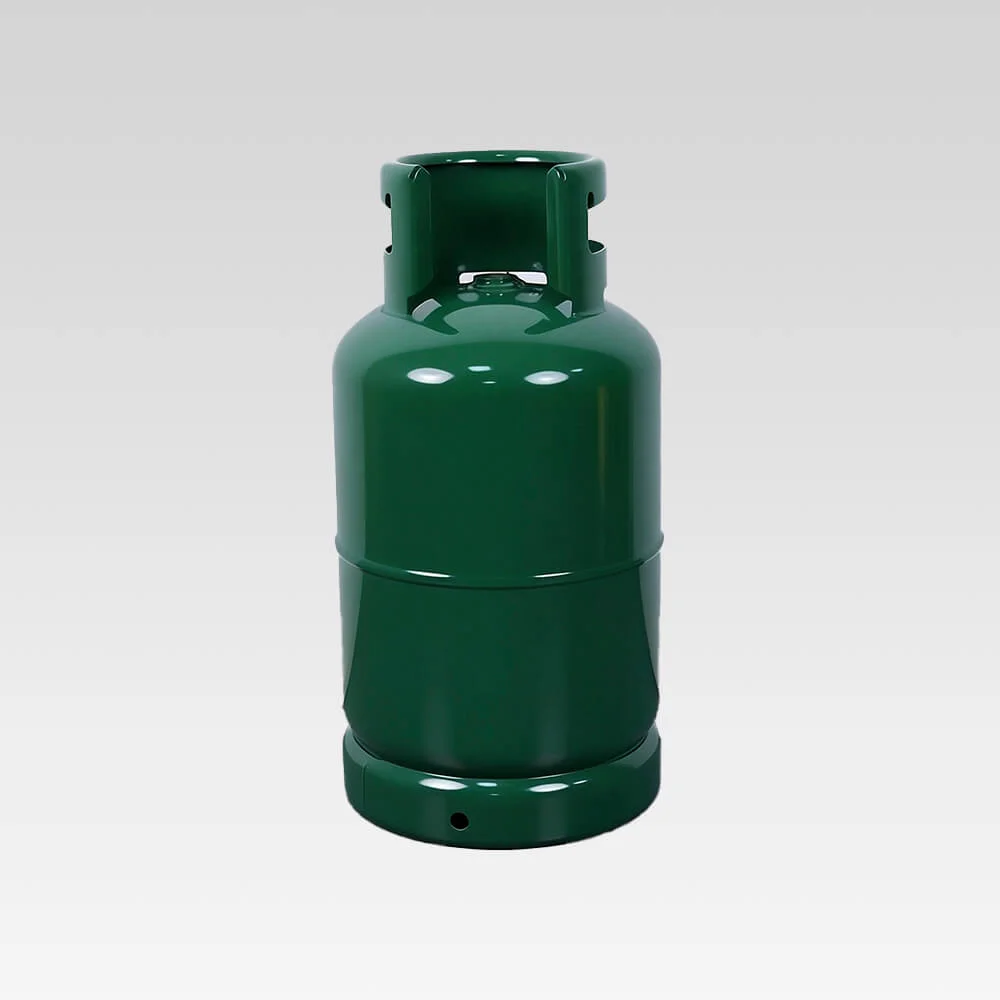
Come 2026, OEM work goes beyond just making cylinders. It builds faith via tweaks and rule-following. Nations differ on valve types like POL, QCC, or CGA. They also vary in paint colors and cert needs such as ISO4706 or EN1442.
Makers like Mintai Cylinder handle these differences. They offer custom labels, valve picks, and pack setups that fit each area’s tech rules. Big runs cut costs too. And they keep quality even across lots of batches.
Steady supply chains matter a lot now. The health crisis showed weak spots in shipping paths. A reliable OEM ally handles big orders. It avoids delays in delivery. That’s key for sellers in quick B2B scenes. For example, during peak seasons in Southeast Asia, delays can cost distributors thousands—something a good partner dodges.
Picking the best partner means checking a few main points.
| Factor | Importance | Description |
| Production Capacity & Technology | High | Auto setups boost evenness. They cut flaws in welding or coating steps. |
| Material Quality | Critical | Jobs use HP295/Q235B steel. Such stuff gives power under high-pressure setups common for LPG holding. |
| Certifications | Essential | ISO4706, EN1442, CE or DOT stamps show they meet global safety marks. |
| Quality Control | Vital | Water pressure tests make sure each cylinder takes its full load safely before it ships. |
| Export Experience | Strategic | Knowledge of border papers and shipping plans eases overseas deals. |
A seasoned OEM gas cylinder maker blends all these into a full service setup.
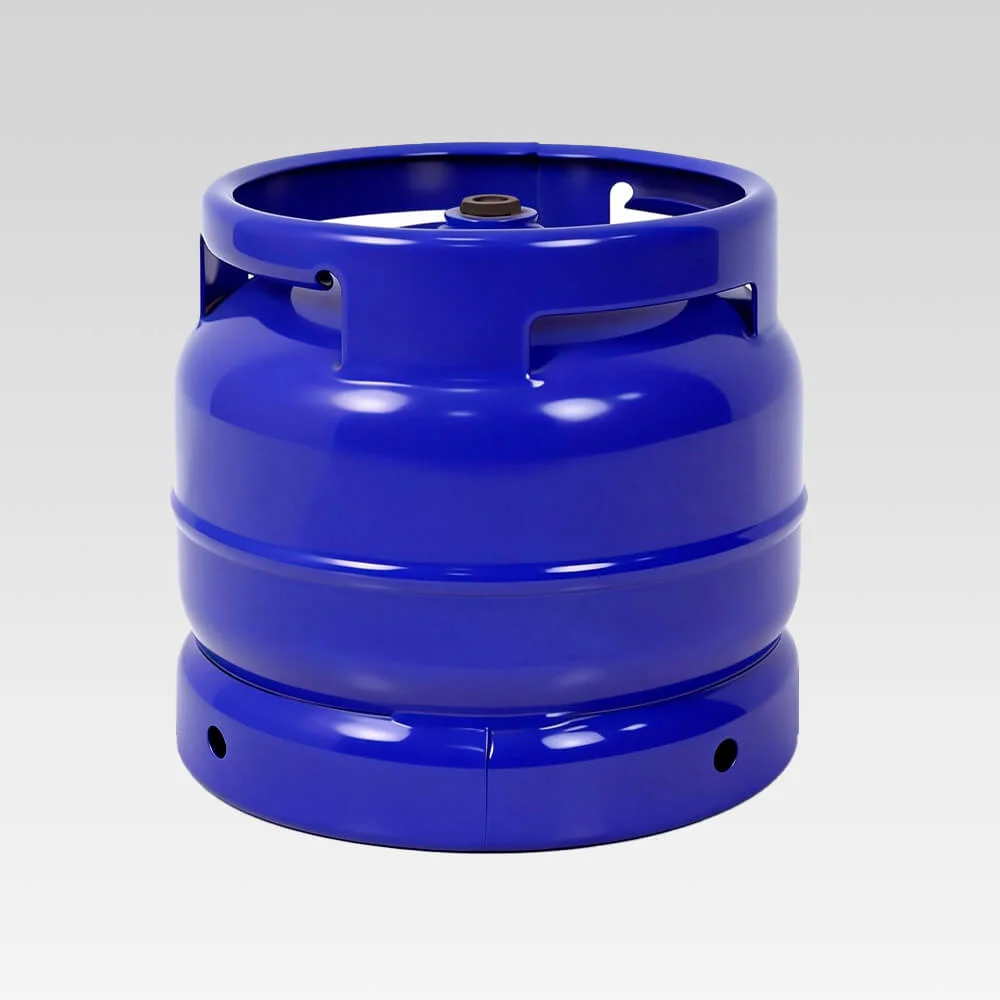
Mintai’s plants have modern auto lines. They manage various cylinder sizes at once. Think small 6kg ones up to bigger 15–30kg types for eateries or inns. The 6kg LPG Gas Cylinder from Mintai Cylinder suits camping trips, outdoor fun, and basic home gas tasks.
OEM buyers gain from a few perks.
The making process holds firm timelines. Steady quality helps sellers who need reliable stock year after year.
Mintai sticks to strict checks at each step. This covers getting materials, shaping, joining, coating, and putting together. It keeps the whole item sound. Cylinders face water pressure tests beyond normal loads. This proves they hold up under strain. Leak finders spot tiny flaws before anything leaves.
Safety tops the list for any LPG cylinder. Track systems log batch codes. So, problems trace back fast through the making path. That’s vital for rule checks. One small note: in hot climates like parts of Africa, these tests really prove their worth by preventing rare but serious issues.
Large orders need smart matching of output and ship times. Mintai’s export crew handles container packing for sea trips. They also plan land move packs to lower harm risks on the way.
Set for box loading, this cuts ship costs per piece. It keeps arrival times steady, often about 35 days. Post-sale help covers tech advice on valve fits or local paper rules.
Ongoing work goes further than just supply. It includes shared plans for stock handling. This fits yearly demand ups and downs in gas networks. Data from recent years shows that such planning cut delays by up to 20% for some partners.
The coming changes hit three big spots.
These changes show why bendiness counts. Pick an OEM propane cylinder supplier that tweaks designs quick. It’s not always smooth—supply glitches happen—but the adaptable ones pull through.
As world fuel habits shift to cleaner picks like LPG, trusted OEM makers gain huge ground. Mintai Cylinder shows what today’s buyers want. It mixes strong build know-how, big output power, tight safety rules, and quick tweak choices for varied global spots. For further product details and cooperation opportunities, additional information can be obtained through Mintai Cylinder.
Q1: What certifications should an OEM LPG cylinder manufacturer have?
A: Top suppliers carry ISO4706 or EN1442 stamps. They add CE or DOT based on where it goes. These prove they follow global safety rules for any pro LPG cylinder manufacturer.
Q2: How to evaluate the quality of LPG cylinders?
A: Look at material type, like HP295/Q235B steel. Check water test marks on the body stamps. Review plant track logs that show rule-based test rounds.
Q3: Can OEM manufacturers provide customized cylinder designs?
A: Yes. Mintai gives full tweaks. This includes valve sorts (POL/CGA/QCC), brand colors, label styles, and custom packs for overseas shipping. All in its broad OEM gas cylinder offerings.
Q4: What is the typical production lead time for bulk orders?
A: Usual times sit near 35 days by order size. Custom bits might add a tad more. That’s due to extra steps like logo prints or special coat drying.
Q5: How to ensure safe transportation of LPG cylinders?
A: Use wood frames or metal holds on pallets to stop shifts in boxes. Each load gets leak scans before it boards. This keeps safe trips from plant to stock site, no matter the area or weather tied to lpg cylinder storage safety ways.