
Liquefied Petroleum Gas (LPG) keeps working as one of the most flexible energy sources around the world. It powers things from home stoves to factory burners. The clean burning and strong heat output make it a top choice over old fuels in growing and advanced markets alike. Picking the right LPG cylinder size goes beyond simple logistics. It impacts how well operations run, how costs are handled, and how safety rules are followed.
For companies and sellers, choosing a suitable cylinder size means weighing fuel needs against refill times and storage limits. If the appliance’s gas use doesn’t match the cylinder’s vaporization speed, problems like waste or gear breakdowns can happen.
Mintai Cylinder, a top LPG cylinder manufacturer, has built a solid name worldwide by sticking to tough global rules like ISO 4706, EN 1442, and DOT-4BA. Their range covers small camping units to big industrial tanks, all made for toughness and safety in all kinds of weather.
The LPG market sorts cylinders into three key groups by how they’re used.
These handy cylinders suit people on the move, like campers, street sellers, and homes needing extra power.
The 6kg LPG Gas Cylinder from Mintai Cylinder works well for camping trips, outdoor fun, and basic home gas tasks. It has a tough steel shell with a base thickness of 2.3mm and water space of 13–14.4 liters. Though light, it’s strong enough for safe carrying on adventures. Plus, it keeps steady pressure going.
Uses cover:
The middle-size group fits everyday home kitchens and small spots like coffee shops or food vans.
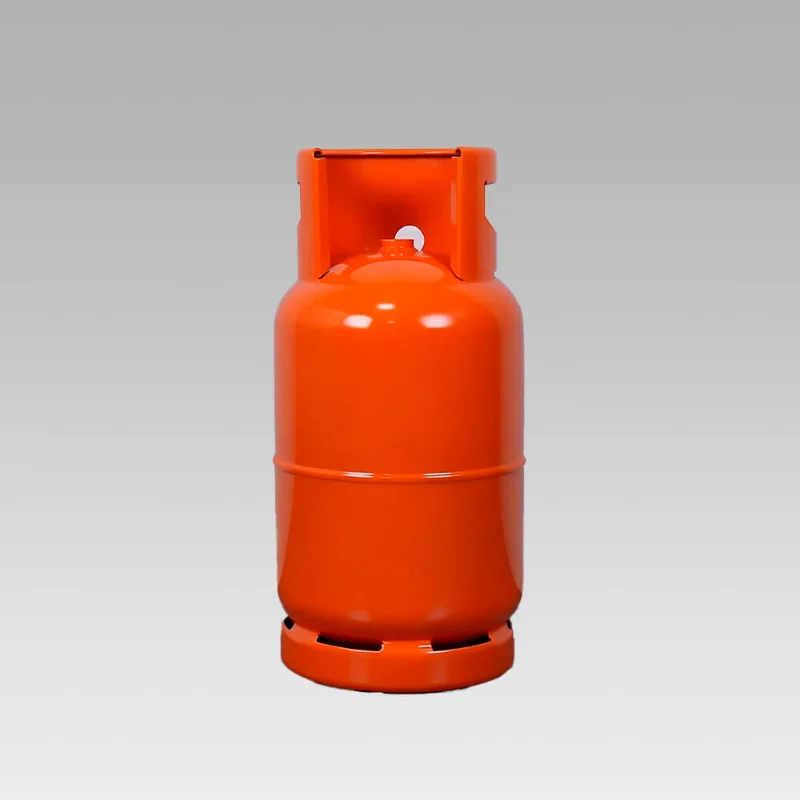
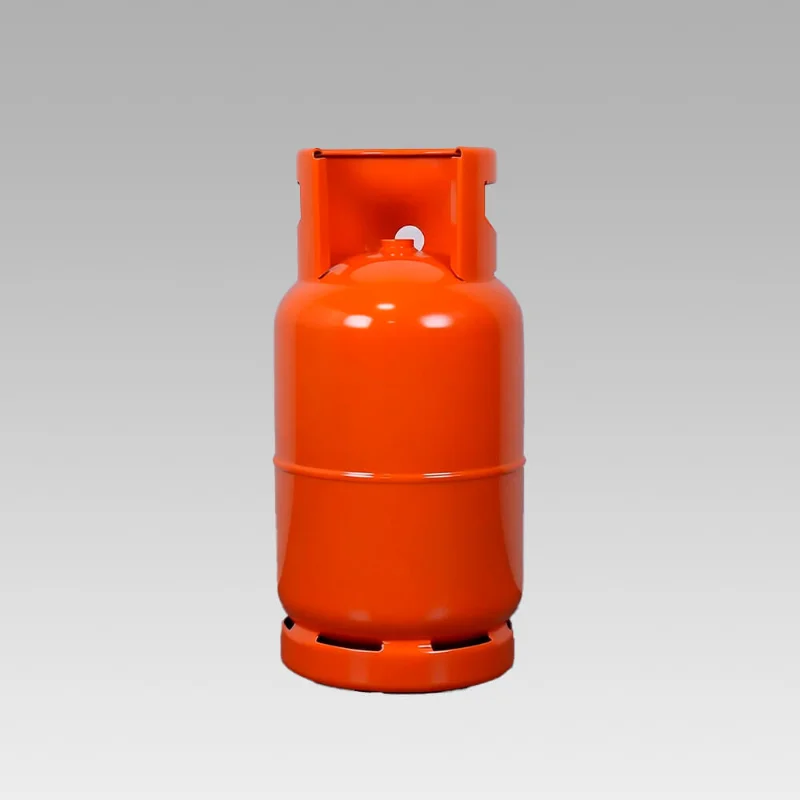
The 9kg LPG Gas Cylinder from Mintai Cylinder covers regular cooking needs. It handles both inside and outside cooking thanks to its solid steel build and dependable valve setup.
In places like Ghana, the 12.5kg LPG Gas Cylinder from Mintai Cylinder fits the gas demands of houses and shops there. It takes a working pressure of 21 bar and a test pressure of 31 bar. Those specs show it can handle ongoing home or small business work without trouble.
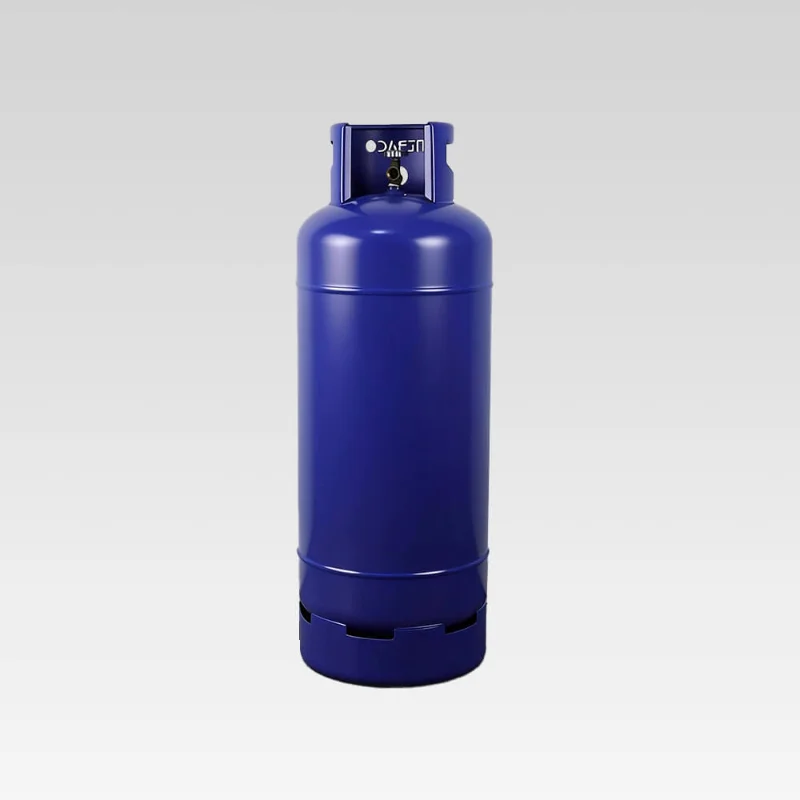
Big cylinders supply eateries, inns, bread shops, and plants that need steady gas flow at fast vaporization speeds. These often link into systems feeding several devices at once. Their thick shells hold up to rough handling and extra strain in tough settings. Take a busy restaurant kitchen in a hot climate— these units keep gas coming without hiccups, even during peak hours.
| Segment | Typical Capacity | Common Use | Material | Working Pressure |
| Portable | 3–7 kg | Camping / Outdoor Cooking | Steel | ~18 bar |
| Residential | 9–15 kg | Home Cooking / Small Business | HP295/Q235B Steel | ~21 bar |
| Industrial | 33–50 kg | Restaurant / Manufacturing | Heavy-Duty Steel | ≥21 bar |
Steel stays the main choice for storing LPG because of its good strength and weight mix, plus how it resists bending under pressure.
Making them uses HP295/Q235B steel. This mix boosts rust resistance and keeps welds solid over years of use. In real terms, think of cylinders sitting in humid warehouses for months—they hold up better than alternatives.
Composite cylinders weigh less, but they can suffer from sun damage or hits in rough spots. Mintai Cylinder’s team picks steel since it matches global safety rules and gives steady results in hot tropics or freezing cold. And honestly, in field tests, steel ones just feel more reliable day to day.
Mintai Cylinder boosts designs with water pressure tests above regular levels—up to 34 bar for some types—to make sure every batch stays strong and sound.
Deciding on the best LPG cylinder specifications hinges on a few linked elements:
Every device needs a certain BTU/hr or MJ/hr amount. That has to fit the cylinder’s natural vaporization pace. For example, if a factory burner pulls gas non-stop beyond one unit’s limit, linking several with switch valves keeps things smooth. Data from a typical bakery shows a 50kg cylinder might last 48 hours under full load, avoiding mid-shift refills.
Sellers balance refill rounds with shipping expenses. Small cylinders are easy to move but need more trips. Bigger ones cut down on visits yet call for extra room to store. In practice, a distributor in Southeast Asia might save 20% on fuel costs by switching to 33kg units for steady clients.
Buyers need to check that models meet local approvals:
Mintai Cylinder’s follow-through on these eases trade across borders by hitting various market rules head-on.
Safety shapes every step of LPG handling, from making to final use.
Mintai Cylinder’s plants use auto welding setups and sharp check tools to cut down on mistakes. That’s vital for avoiding big problems in sealed containers. One small note: even with all that tech, a quick visual once in a while spots issues early.
Choosing the proper LPG cylinder size boils down to finding balance. It provides enough vaporization power without hurting ease of carry or budget. From homes in Accra to supply lines in Southeast Asia, Mintai Cylinder offers growing options based on global safety rules and everyday needs.
Buyers looking for steady bulk orders can contact Mintai Cylinder for custom advice on valve fits, label choices, or local rule matches.
A: The right size ties to your gear’s steady gas use rate (BTU/hr or MJ/hr). If a single cylinder falls short on vaporization, hooking up extras via a manifold setup keeps output even and dodges freeze-ups.
A: Tare weight is the cylinder’s empty heft, valve included. Subtract it from the full weight to gauge leftover gas. That helps track big stocks from any gas cylinder supplier.
A: Yes. Cold weather slows vaporization a lot. Bigger cylinders do better there, with more area to pull heat from the air around them. In a chilly winter setup, that can mean the difference between smooth cooking and frustrating delays.
A: Mintai Cylinder follows ISO 4706 (for welded steel), EN 1442 (for Europe), and DOT-4BA (for North America). These mean each piece clears hard burst checks, drop tests, and water pressure exams before it ships out.
A: Check times differ by area, usually every five to fifteen years based on build—steel or composite—and local rules for LPG tanks. By lining up tech needs with safety points and real logistics, buyers can get lasting gains from solid partners like Mintai Cylinder. Quality lines up with rules at each production step—from planning to drop-off—all at fair LPG gas cylinder price levels for markets everywhere.