

In many LPG markets, cylinders continue to be part of the day-to-day fuel dispensation process, from domestic cooking and camping to restaurants and small-scale industries. However, such markets do not behave in a similar manner. A regulator that is designed for one country may not be compatible with the filling equipment of another country, even if the valve outlet seems to look alike.
That is why valve selection matters in bulk LPG cylinder sourcing. POL, CGA, QCC, BS, and other valve types affect filling, sealing, regulator matching, and market acceptance. For export projects handled by manufacturers such as Mintai Cylinder, valve choice is usually reviewed together with cylinder size, pressure rating, labels, and packaging before production starts.
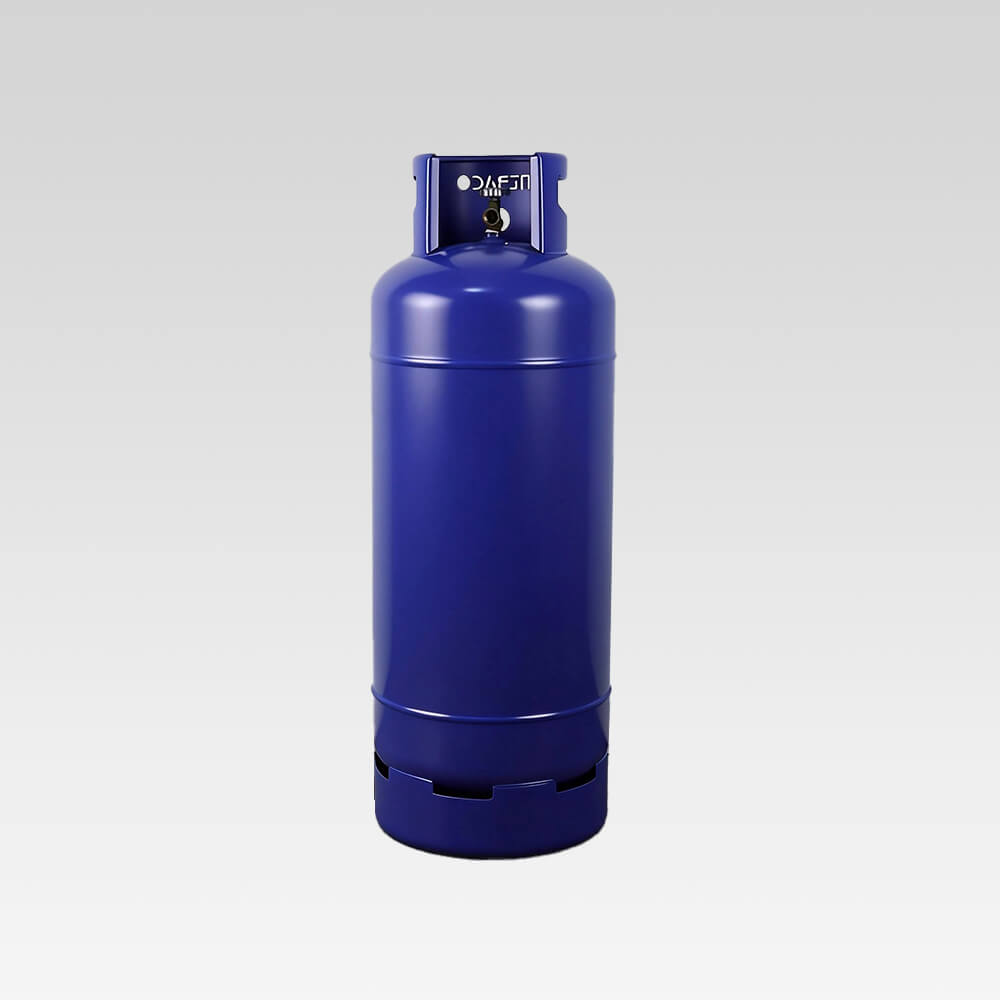
An LPG cylinder valve controls gas filling, gas withdrawal, sealing, and connection with the regulator. During daily distribution, it faces repeated opening and closing, transport vibration, warehouse handling, and end-user operation.
A wrong gas cylinder valve can create practical problems that are hard to fix after shipment:
For container-level orders, one valve mismatch can affect thousands of cylinders at once. That is why experienced procurement teams usually confirm valve drawings, regulator samples, and local filling requirements before production starts. It is a small checkpoint, but it can save a lot of trouble later.
Different markets use different valve connections because LPG systems are shaped by local rules, appliance habits, and filling station equipment. POL, CGA, QCC, and BS valve options are often requested in export-oriented LPG cylinder projects.
POL valves are widely used in selected propane and LPG applications. They are often linked with screw-type connections and are suitable for markets where compatible regulators and filling systems are already common. For bulk orders, POL valve selection should be based on local acceptance, not habit alone.
CGA-type valve connections are often requested for projects involving North American-style cylinder and regulator systems. These connections help define outlet and inlet matching, reducing the risk of unsafe mismatching. Buyers serving regulated markets should confirm the exact CGA requirement before mass production.
QCC valves are commonly used where easier hand connection is preferred, especially in portable propane and LPG applications. They may suit outdoor cooking, barbecue, camping, and consumer-facing gas setups. Still, the regulator inlet and local appliance system must match the valve.
BS valve formats are relevant in markets that follow British-style gas connection practices or related regional systems. For distributors in Africa, Southeast Asia, the Middle East, and mixed-standard markets, BS valve selection should be checked with local filling plants and regulator suppliers.
A safe LPG cylinder depends on more than the steel body. The valve also plays a key role in leak prevention, outlet accuracy, pressure-related safety, and handling protection.
A reliable LPG cylinder valve must keep gas sealed during storage, transport, filling, and use. Poor sealing can lead to leakage risk, odor complaints, returned stock, and damage to the local brand. For distributors, even a small complaint rate becomes expensive when cylinders are sold in large batches.
A regulator may appear to fit, but small differences in thread, outlet shape, or tightening direction can cause connection failure. In the field, this may show up as forced tightening, unstable gas flow, or user complaints.
Before confirming a valve, buyers should check:
A physical sample test with the actual regulator is more reliable than checking photos only. Photos can hide tiny but costly differences.
Some LPG cylinder valve designs include pressure relief or other safety-related functions, depending on cylinder size, application, and local rules. Valve compliance must be checked against the destination market instead of being assumed from a general product description.
Export handling also matters. Valves can be damaged by container loading, rough warehouse movement, or poor stacking. Valve guards, caps, collars, wrapping, and pallet layout help reduce damage before the product reaches the filling station.
Valve selection should match the cylinder’s actual use. A household cooking cylinder, a camping cylinder, and a commercial cylinder do not face the same operating conditions. For capacity planning, Mintai Cylinder’s LPG gas cylinder size guide can support the first step of model selection, while valve confirmation should focus on regulator fit and local filling practice.
| LPG cylinder application | Common buyer type | Valve selection focus |
| Portable LPG cylinder | Camping brands, outdoor dealers, small household distributors | Easy connection, compact handling, regulator match |
| Household LPG gas cylinder | Gas distributors, retail gas networks | Safe sealing, common local outlet, user-friendly operation |
| Restaurant and catering cylinder | Restaurants, catering suppliers, small businesses | Stable gas flow, repeated filling, durable valve handling |
| Commercial LPG cylinder | Commercial kitchens, gas distributors, light industrial users | Pressure-related safety, valve protection, long-term use |
For example, Mintai Cylinder’s 20kg LPG gas cylinder is listed with 47.7L water capacity, 1.8MPa working pressure, and 3.4MPa test pressure. Its 45kg/100lbs LPG gas cylinder is listed with 108L water capacity, 1.8MPa working pressure, and 3.4MPa test pressure. These figures help with cylinder-body selection, while the valve still needs to match the local regulator and filling system.
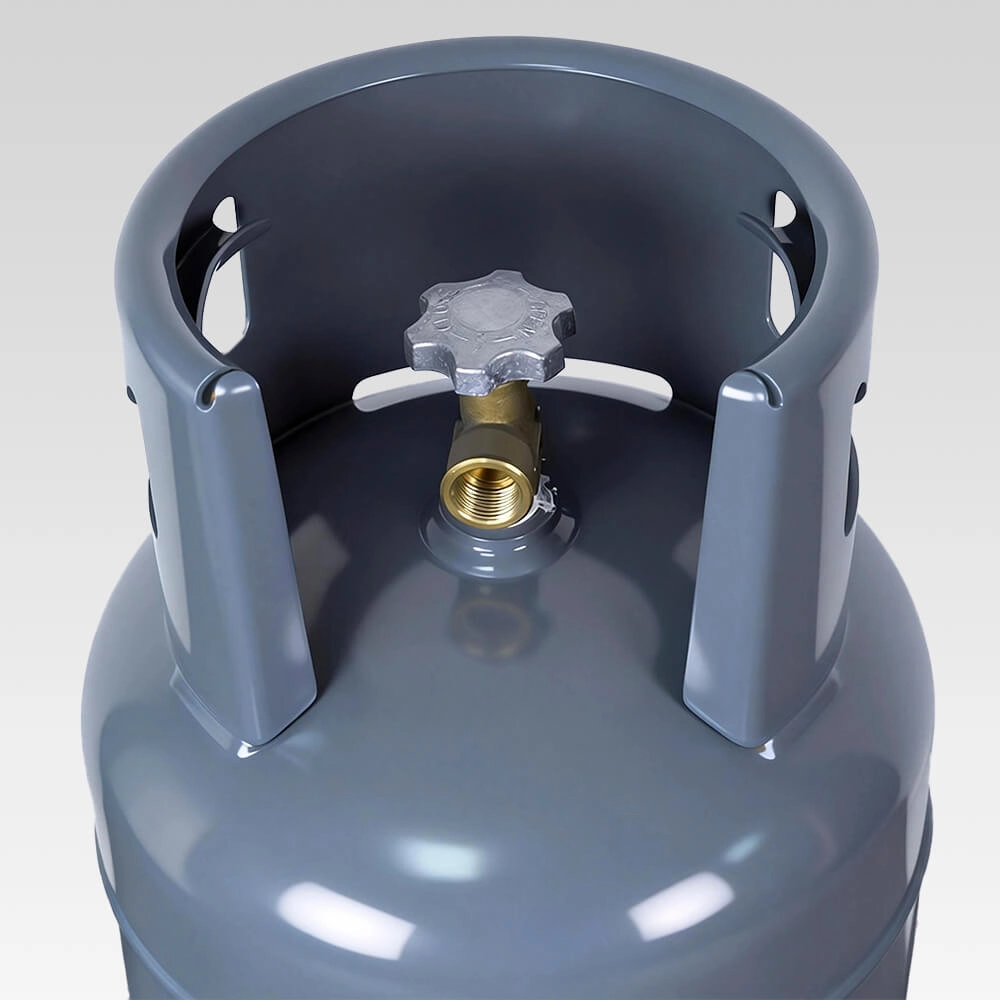
A clear valve specification helps reduce misunderstanding between the buyer, manufacturer, filling plant, and distributor. Before confirming a bulk LPG gas cylinder order, the technical file should include:
This checklist is especially useful for OEM orders. A cylinder may need one valve type for household channels and another for commercial accounts. Private-label buyers may also need different colors, markings, or packaging for separate regional markets.
Mintai Cylinder supports B2B LPG cylinder supply for household, outdoor, restaurant, commercial, and light industrial use. The product range includes 3kg, 6kg, 9kg, 12.5kg, 15kg, 20kg, and 45kg/100lbs LPG cylinders.
For OEM and ODM projects, Mintai Cylinder can support logo printing, custom color coating, market-specific labels, export packaging, and valve configurations such as POL, CGA, QCC, and BS. This helps importers and gas distributors prepare LPG cylinders that fit local selling conditions instead of solving valve compatibility problems after shipment.
A valve choice should be confirmed before an LPG cylinder order moves into production. The key checks are simple but important: local filling practice, regulator fit, outlet thread, pressure requirement, and packing protection.
For importers, gas distributors, and OEM customers, this step helps avoid shipment problems. Mintai Cylinder supplies refillable LPG gas cylinders with market-specific valve options, branding, labeling, color coating, and export packaging.
For new projects, please اتصل بشركة مينتاي للأسطوانات to discuss the target market, cylinder size, valve type, and order plan for specification review.
Q1: Which LPG cylinder valve should be used for a new market?
A: The valve should match local regulators, filling stations, safety rules, and user habits. A sample test is recommended before bulk production.
Q2: Can the same cylinder size use different valve types?
A: Yes. Valve options may vary by market, cylinder design, neck fitting, and pressure requirement. OEM confirmation is needed.
Q3: What causes regulator mismatch on LPG cylinders?
A: Common causes include different outlet threads, sealing methods, tightening directions, or incompatible regulator inlet sizes.
Q4: Should valve type be confirmed before placing an OEM order?
A: Yes. Valve type, regulator fit, markings, packaging, and local filling requirements should be confirmed before production starts.
Q5: Does Mintai Cylinder support POL, CGA, QCC, and BS valve options?
A: Yes. Mintai Cylinder supports market-specific valve configurations for OEM and bulk LPG cylinder projects.