
NOTÍCIAS

categoria de notícias

Índice

    Últimas Notícias

    What Is an LPG Cylinder Steel Disc? How Steel Blanks Become Deep-Drawn Cylinder Halves
      An LPG cylinder steel disc is the circular steel blank used before deep drawing forms the upper...
    LPG Cylinder Manufacturing Process: From Steel Coil to a Tested Cylinder
      The LPG cylinder manufacturing process turns controlled steel stock into a welded, heat-treated,...
    Steel Coil vs Pre-Cut Steel Blanks for LPG Cylinder Manufacturing: Which Is Better for Your Factory?
      LPG cylinder manufacturers can buy steel coil and blank circular discs in-house, or purchase...
    LPG Cylinder Manufacturing Process: From Steel Coil to Final Testing
      For B2B buyers, understanding the LPG cylinder manufacturing process is a practical way to judge...
    OEM LPG Cylinder Specification Checklist: Capacity, Valve, Color, Markings, and RFQ Requirements
      An OEM LPG cylinder specification checklist should convert market requirements into a cylinder...
    45kg LPG Cylinders for Restaurants and Commercial Kitchens: Sizing and Buyer Requirements
      A 45kg LPG cylinder for restaurant use can reduce replacement frequency and support higher fuel...
    Small LPG Cylinders for African Clean Cooking Programs: A B2B Procurement Guide
      Small LPG cylinders for African clean cooking programs can lower the cash required for a full...
    How to Specify LPG Cylinders for a Branded Cylinder Recirculation Model
      Specifying LPG cylinders for a branded cylinder recirculation model is not simply a matter of...
    LPG Cylinder Types Explained: Domestic vs Commercial Sizes, Uses, and B2B Selection
      The main LPG cylinder types are portable, domestic, commercial, and light-industrial cylinders....
    LPG Cylinder Size and Dimensions Chart: 3kg to 45kg
      LPG cylinder dimensions are not determined by nominal gas capacity alone. Two cylinders labeled...
    What Is an LPG Cylinder Steel Disc? How Steel Blanks Become Deep-Drawn Cylinder Halves
    LPG Cylinder Manufacturing Process: From Steel Coil to a Tested Cylinder
    Steel Coil vs Pre-Cut Steel Blanks for LPG Cylinder Manufacturing: Which Is Better for Your Factory?
    LPG Cylinder Manufacturing Process: From Steel Coil to Final Testing
    OEM LPG Cylinder Specification Checklist: Capacity, Valve, Color, Markings, and RFQ Requirements
    45kg LPG Cylinders for Restaurants and Commercial Kitchens: Sizing and Buyer Requirements
    Small LPG Cylinders for African Clean Cooking Programs: A B2B Procurement Guide
    How to Specify LPG Cylinders for a Branded Cylinder Recirculation Model
    LPG Cylinder Types Explained: Domestic vs Commercial Sizes, Uses, and B2B Selection
    LPG Cylinder Size and Dimensions Chart: 3kg to 45kg

    Contate-nos

    DOT vs EN 1442 LPG Cylinders: Global Certification & Compliance Guide

    DOT vs EN 1442 LPG Cylinders Global Certification & Compliance Guide

    Introdução

    In LPG cylinder sourcing, appearance and basic specifications rarely determine success. What actually decides whether products move across borders is certification.

    DOT and EN 1442 represent two different regulatory systems that control how LPG cylinders are designed, tested, and approved for international markets. One focuses heavily on transport safety compliance, while the other is built around engineering-based manufacturing standards.

    In real industrial supply chains, these standards are not handled as isolated certification steps. They depend heavily on whether the manufacturer has stable engineering control, repeatable production systems, and export-ready documentation processes.

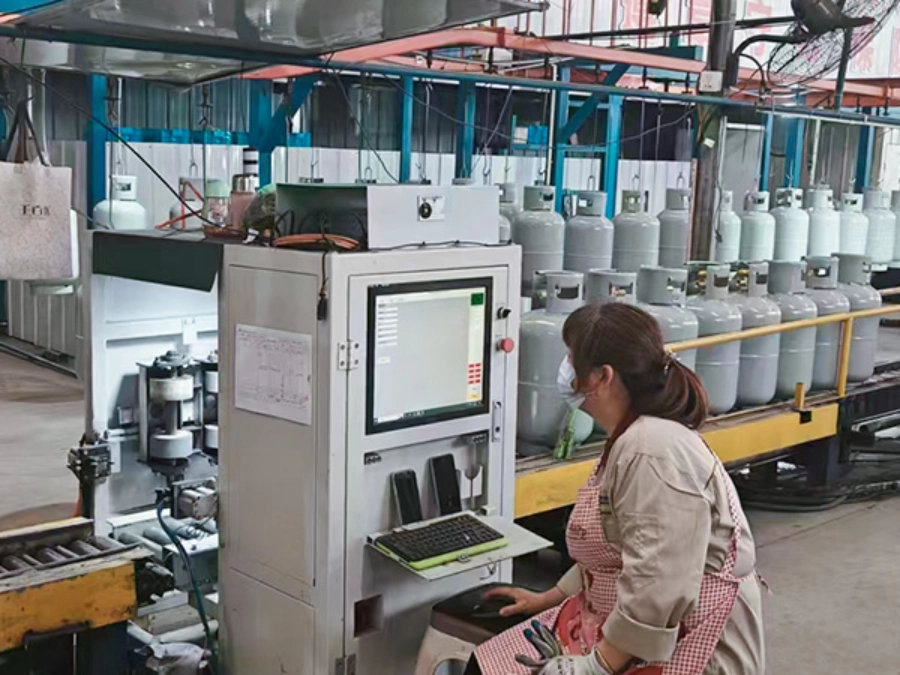
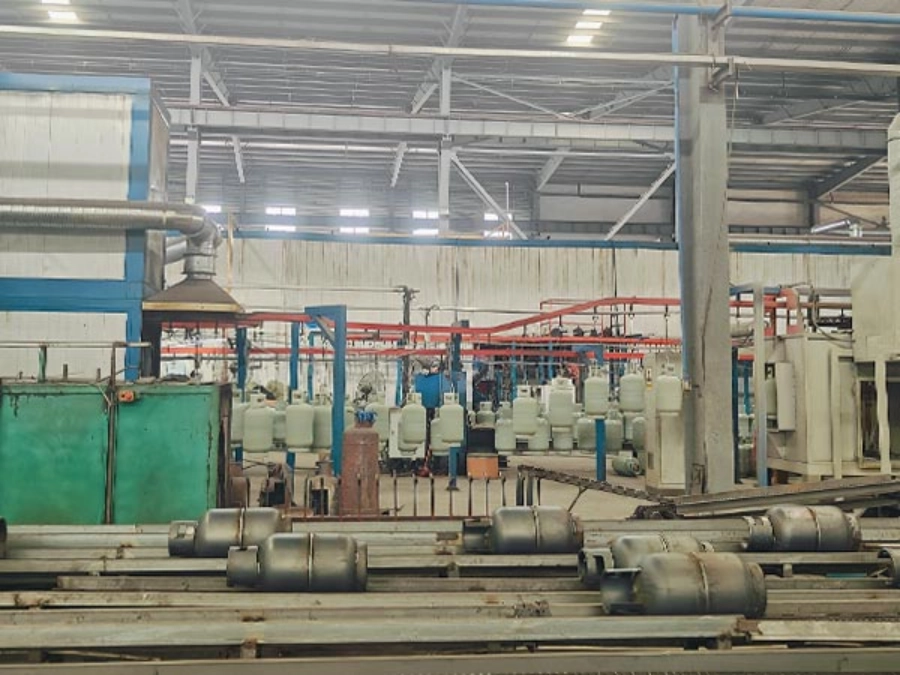
    Cilindro Mintai operates under this type of manufacturing structure, with a 35,000㎡ production base in Hangzhou, automated production lines, and an annual capacity of around 2 million LPG cylinders. The product range covers 3kg to 45kg/100lbs models used in household, commercial, and distribution markets, where consistent compliance across batches is a key requirement for importers.
     

    mintai-cylinder-lpg-cylinder-quality-inspection-control

    Regulatory Framework Behind DOT and EN 1442 Cylinder Standards

    DOT Cylinder Standard as a Transport-Focused Compliance System

    DOT standards are widely used in the United States for pressure vessels involved in gas storage and transportation. The system is highly regulatory and documentation-intensive.

    Key characteristics include:

    • Strong focus on transport safety under pressure conditions
    • Mandatory approval and marking requirements
    • Strict lifecycle requalification cycles
    • Detailed traceability records for each cylinder

    In practical manufacturing scenarios, even small deviations in marking format or serial positioning may affect compliance outcomes. This is why DOT production is often separated from general export batches.

    EN 1442 Cylinder Standard as an Engineering-Based EU Specification Model

    EN 1442 is a European standard for welded refillable LPG cylinders. Compared with DOT, it is more technically structured and design-oriented.

    Core features include:

    • Engineering-based structural design requirements
    • Strict welded cylinder performance expectations
    • Material consistency and stability control
    • Alignment with EU conformity assessment systems

    In factory operations, EN 1442 compliance tends to emphasize production stability over transport classification rules.

    Certification System Structure for LPG Cylinders

    Certification is not a single checkpoint. It is a full system that covers design, materials, testing, and documentation control. Mintai Cylinder integrates OEM customization and export-grade testing control within its certification workflow, ensuring consistency between approved samples and mass production batches.

    Structural Design Validation and Pressure Rating Requirements

    Before production starts, cylinder design must pass engineering validation. This step determines whether the product can even enter certification review.

    Key factors include:

    • Wall thickness and pressure resistance level
    • Structural deformation behavior under stress
    • Valve interface compatibility
    • Prototype testing under simulated working conditions

    In real procurement projects, design changes after sample testing are not unusual. Some buyers request adjustments after evaluating stacking performance or transport durability.

    Material Grade Control and Welding Consistency Standards

    Material control is one of the most critical foundations of certification approval.

    Area DOT Focus EN 1442 Focus
    Steel material Batch traceability required Grade consistency control
    Welding process Certified procedures mandatory Structural uniformity priority
    Production system Regulatory checkpoints Integrated quality monitoring

    Manufacturers like Cilindro Mintai typically operate parallel production control systems to manage different certification requirements without interrupting export schedules.

    Hydrostatic Testing and Lifecycle Verification System

    Hydrostatic testing is required under both DOT and EN 1442 systems. However, real compliance issues often come not from test failure, but from incomplete lifecycle records.

    Key control points include:

    • Hydrostatic pressure testing at defined intervals
    • Permanent cylinder identification marking
    • Serial number traceability across batches
    • Requalification records during service life

    In export practice, missing traceability records can delay customs clearance even when physical performance is fully qualified.

    Third-Party Inspection and Documentation Audit Process

    Certification is not based on factory inspection alone. Third-party bodies play a critical role in approval decisions.

    Typical workflow includes:

    1. Pre-production compliance review
    2. Sampling inspection by third-party agency
    3. Destructive testing on selected cylinders
    4. Documentation and marking verification
    5. Final certification approval

    A common issue in international trade is “paper mismatch”—products pass physical testing but fail due to incomplete or inconsistent documentation.

    Market Access Driven by Certification Compliance

    Certification directly determines whether a product can enter a market. Even technically qualified cylinders may face barriers if documentation or standards are not aligned.

    Regional Regulatory Differences Between DOT and EN 1442 Systems

    DOT and EN 1442 operate in different regulatory environments:

    • DOT: primarily used in North American markets
    • EN 1442: widely applied in European regions
    • Other regions: mixed acceptance depending on importer policy

    Because of this, one certification does not automatically replace another. Export planning must consider target markets from the beginning.

    Certification Scope and Importer Verification Requirements

    Importers often assume certification guarantees entry, but in practice, verification is still required at multiple levels.

    Key checks include:

    • Certification validity and scope coverage
    • Cylinder model and size approval range
    • Marking consistency across shipments
    • Supporting inspection documentation

    Even minor mismatches can trigger customs delays or additional inspections.

    Documentation Gaps and Customs Clearance Risks

    In practical situations within the supply chain, the issue of paperwork is very likely to contribute to a delay. Even if products are technically up to the mark, they may get delayed at the custom because of improper documentation.

    Such situations occur particularly during peak shipment times.
    mintai-cylinder-lpg-cylinder-production-line

    Manufacturing Capability as a Determining Factor in Certification Success

    Certification success is not only about design. Manufacturing consistency plays a much larger role than most buyers expect.

    Production Consistency as the Core of Approval Decisions

    Regulatory bodies often evaluate whether production processes are stable and repeatable. In large-scale LPG cylinder procurement, consistency across batches is more critical than sample-level compliance.

    With automated production systems, strict batch traceability, and export-focused quality control, Mintai Cylinder supports stable compliance for DOT and EN 1442 LPG cylinder supply chains.

    Even if design meets technical requirements, issues such as:

    • Welding inconsistency
    • Material variation between batches
    • Weak traceability systems

    can lead to audit delays or rejection.

    In many cases, production stability has a greater impact on approval outcomes than product design itself.

    Multi-Standard Production Efficiency for Global Markets

    Manufacturers capable of handling both DOT and EN 1442 systems gain significant export advantages.

    Benefits include:

    • Faster approval cycles for new markets
    • Lower re-certification workload
    • Reduced redesign requirements
    • More stable long-term supply chains

    Mintai Cylinder’s Parallel Compliance Production System

    At Cilindro Mintai, different certification systems are managed through structured production separation:

    • Parallel documentation systems for different standards
    • Segmented raw material batch control
    • Dedicated inspection checkpoints per certification type
    • Export-specific marking and labeling control

    This approach improves predictability in cross-market shipments and reduces regulatory friction.

    ESG Factors in LPG Cylinder Manufacturing and Procurement Decisions

    ESG considerations are becoming part of procurement decisions in many global markets, especially in industrial gas supply chains.

    Cylinder Lifecycle and Industrial Reusability

    LPG cylinders are designed for long-term reuse. Over their lifecycle, they undergo multiple filling, inspection, and requalification cycles, significantly reducing material waste.

    Steel Material Carbon Footprint and Production Efficiency

    Steel production remains energy-intensive. As a result, manufacturers are increasingly focused on:

    • Material efficiency optimization
    • Reduced scrap rates during production
    • Improved structural design to minimize excess material use

    Recycling and End-of-Life Management Systems

    At the end of service life, cylinders enter controlled recycling processes. Steel components can be recovered and reused, supporting circular material flow in industrial systems.

    ESG Factors in Procurement Decision-Making

    In international procurement, ESG is no longer optional. Buyers often evaluate suppliers based on:

    • Traceability systems
    • Lifecycle management
    • Regulatory compliance structure

    Certification systems like DOT and EN 1442 indirectly support ESG goals by enforcing structured lifecycle control.

    Conclusão

    DOT and EN 1442 represent two different regulatory philosophies, but both serve the same purpose: controlling safety, consistency, and reliability in global LPG cylinder trade.

    For importers, the real challenge is not choosing between standards, but ensuring suppliers can operate across both systems without disruption in production or documentation.

    Manufacturers like Cilindro Mintai integrate multi-standard compliance into production systems, helping reduce regulatory friction and support stable global supply chains.

    For procurement teams evaluating certified LPG cylinder suppliers, working with a manufacturer that understands both DOT and EN 1442 requirements is often the key difference between smooth clearance and repeated delays.

    Perguntas frequentes

    Q1: What is the main difference between DOT and EN 1442 LPG cylinder standards?

    A: DOT is US transport safety regulation; EN 1442 is EU engineering standard for LPG cylinders. Mintai Cylinder supports both systems.

    Q2: Why do some LPG cylinders pass testing but fail certification approval?

    A: Most failures are related to incomplete documentation, marking inconsistencies, or missing traceability records rather than physical performance issues.

    Q3: What are the key requirements in LPG cylinder certification?

    A: Core requirements include design validation, material traceability, hydrostatic testing, inspection records, and permanent identification marking.

    Q4: How does certification affect importer procurement decisions?

    A: Certification impacts customs clearance, market eligibility, and supplier reliability, making it a key factor in procurement evaluation.

    Q5: What should buyers check before ordering LPG cylinders?

    A: Check certification scope, testing records, marking, and batch traceability. Mintai Cylinder aligns production with these requirements.

    Compartilhe a publicação:

    Últimas Notícias

    What Is an LPG Cylinder Steel Disc? How Steel Blanks Become Deep-Drawn Cylinder Halves
      An LPG cylinder steel disc is the circular steel blank used before deep drawing forms the upper...
    LPG Cylinder Manufacturing Process: From Steel Coil to a Tested Cylinder
      The LPG cylinder manufacturing process turns controlled steel stock into a welded, heat-treated,...
    Steel Coil vs Pre-Cut Steel Blanks for LPG Cylinder Manufacturing: Which Is Better for Your Factory?
      LPG cylinder manufacturers can buy steel coil and blank circular discs in-house, or purchase...
    LPG Cylinder Manufacturing Process: From Steel Coil to Final Testing
      For B2B buyers, understanding the LPG cylinder manufacturing process is a practical way to judge...
    OEM LPG Cylinder Specification Checklist: Capacity, Valve, Color, Markings, and RFQ Requirements
      An OEM LPG cylinder specification checklist should convert market requirements into a cylinder...
    45kg LPG Cylinders for Restaurants and Commercial Kitchens: Sizing and Buyer Requirements
      A 45kg LPG cylinder for restaurant use can reduce replacement frequency and support higher fuel...
    Small LPG Cylinders for African Clean Cooking Programs: A B2B Procurement Guide
      Small LPG cylinders for African clean cooking programs can lower the cash required for a full...
    How to Specify LPG Cylinders for a Branded Cylinder Recirculation Model
      Specifying LPG cylinders for a branded cylinder recirculation model is not simply a matter of...
    LPG Cylinder Types Explained: Domestic vs Commercial Sizes, Uses, and B2B Selection
      The main LPG cylinder types are portable, domestic, commercial, and light-industrial cylinders....
    LPG Cylinder Size and Dimensions Chart: 3kg to 45kg
      LPG cylinder dimensions are not determined by nominal gas capacity alone. Two cylinders labeled...
    What Is an LPG Cylinder Steel Disc? How Steel Blanks Become Deep-Drawn Cylinder Halves
    LPG Cylinder Manufacturing Process: From Steel Coil to a Tested Cylinder
    Steel Coil vs Pre-Cut Steel Blanks for LPG Cylinder Manufacturing: Which Is Better for Your Factory?
    LPG Cylinder Manufacturing Process: From Steel Coil to Final Testing
    OEM LPG Cylinder Specification Checklist: Capacity, Valve, Color, Markings, and RFQ Requirements
    45kg LPG Cylinders for Restaurants and Commercial Kitchens: Sizing and Buyer Requirements
    Small LPG Cylinders for African Clean Cooking Programs: A B2B Procurement Guide
    How to Specify LPG Cylinders for a Branded Cylinder Recirculation Model
    LPG Cylinder Types Explained: Domestic vs Commercial Sizes, Uses, and B2B Selection
    LPG Cylinder Size and Dimensions Chart: 3kg to 45kg

    Contate-nos

    Contate-nos

    Produtos relacionados