
NEWS

news category

Table of Contents

    Last News

    Propane vs LPG Gas Cylinders Which Is Best for Your Business
    Introduction Propane vs LPG gas cylinders for business — a subject that frequently stirs discussion...
    2026 Portable LPG Cylinder Supplier Guide Industrial & Outdoor Use
    Introduction The global energy landscape in 2026 is steadily shifting toward cleaner, more flexible,...
    How to Choose the Right LPG Gas Cylinder Size
    Introduction Liquefied Petroleum Gas (LPG) keeps working as one of the most flexible energy sources...
    OEM LPG Cylinder Manufacturer: Choosing the Right Partner 2026
    Introduction The worldwide need for LPG cylinders keeps climbing fast. This happens as energy use shifts...
    Top Gas Cylinder Suppliers: Quality & Certification Guide
    Introduction The need for dependable gas cylinders keeps growing around the world. This trend shows up...
    LPG Cylinder Factory Guide: Key Factors for Wholesale Buyers
    Introduction Liquefied Petroleum Gas (LPG) holds a key spot in everyday home and business energy needs....
    2026 Guide to Choosing a Reliable LPG Cylinder Manufacturer for Bulk Orders
    Introduction Picking a good LPG cylinder maker is an important choice for sellers, buyers from abroad,...
    Gas Cylinder Refill Safety: Procedures and Best Practices for LPG Filling Stations
    Introduction The demand for LPG cylinders keeps growing in Africa, Latin America, Southeast Asia, and...
    How Do Professionals Reduce Risks During Gas Cylinder Filling?
    Gas Cylinder Filling: Risks, Safety, and Best Practices 1. Common Hazards in Gas Cylinder Filling Operations   Gas...
    LPG Gas Bottle Guide: Ultimate Tips for a Hassle-Free Home
    LPG Gas Bottles Guide for Emerging Markets (Africa, Latin America, Southeast Asia & South America) 1....
    Propane vs LPG Gas Cylinders Which Is Best for Your Business
    2026 Portable LPG Cylinder Supplier Guide Industrial & Outdoor Use
    How to Choose the Right LPG Gas Cylinder Size
    OEM LPG Cylinder Manufacturer: Choosing the Right Partner 2026
    Top Gas Cylinder Suppliers: Quality & Certification Guide
    LPG Cylinder Factory Guide: Key Factors for Wholesale Buyers
    2026 Guide to Choosing a Reliable LPG Cylinder Manufacturer for Bulk Orders
    Gas Cylinder Refill Safety: Procedures and Best Practices for LPG Filling Stations
    How Do Professionals Reduce Risks During Gas Cylinder Filling?
    LPG Gas Bottle Guide: Ultimate Tips for a Hassle-Free Home

    contact us

    How Can You Ensure a Safe and Correct LPG Gas Bottle Refill Every Time?

    How Can You Ensure a Safe and Correct LPG Gas Bottle Refill Every Time

    Understanding LPG Gas Bottles and Their Components

    Key Parts of an LPG Gas Bottle

    6kg LPG gas bottle

    An LPG gas cylinder works for home or business purposes. It has a few main parts that support operation and protection. The valve stands out as one key part. This valve manages gas flow during use and refilling. Cylinders of good quality feature a valve with an Overfilling Protection Device (OPD). The OPD stops gas flow on its own when the bottle hits 80% capacity. Overfilling brings real safety dangers.

    The pressure relief valve serves as another important part. This valve works as a safety tool. It lets gas out if the inside pressure goes beyond safe levels. Float gauges and fixed maximum liquid level indicators join these parts. They track gas amounts and support correct refilling.

    Overfill Protection: The system stops the filling on its own. The cylinder reaches the suggested 80% capacity. This step avoids the risk of overfilling.

    Common Types of LPG Cylinders

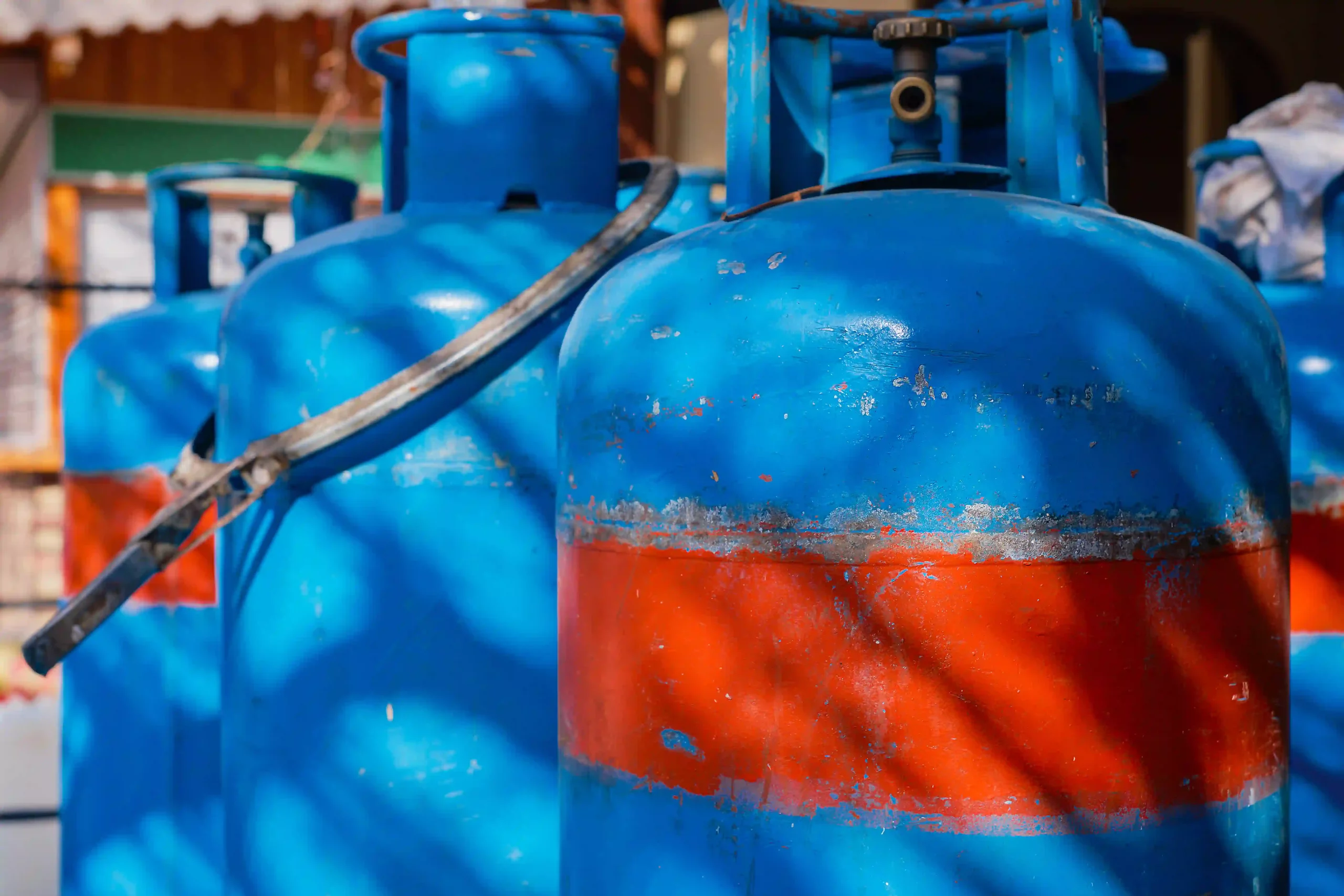
    LPG gas bottles come in different styles to fit various needs. For home cooking and heating, standard cylinders such as the 6kg and 9kg models from Mintai Cylinder provide easy carrying and simple hookup.

    The 6kg LPG Gas Cylinder from Mintai Cylinder fits camping trips, outdoor tasks, and basic home gas uses.

    Forklift cylinders use a side-lying design to match certain machine setups. Composite cylinders offer lightweight for special jobs. These cylinders need specific check methods because of their build materials.

    Safety Precautions Before Refilling an LPG Gas Bottle

    Visual Inspection for Damage or Wear

    Before refilling, a close look at the LPG gas cylinder for wear or harm proves vital. Check for dents, rust marks, or decay on the body and base ring. The valve spot must stay whole and clear of dirt or clear breaks. If these problems show up, hold off on refilling until experts check it.

    Verifying Cylinder Requalification Status

    LPG cylinders require requalification at set times, often every five years. This process checks strength under pressure. Look at the cylinder’s collar or base for stamped marks that show the last check date. A cylinder that skips requalification creates danger and breaks rules.

    Purging New or Empty Cylinders Before Use

    New or fully empty cylinders need purging. This step clears trapped air and water, which might affect burning quality. Purging makes sure only pure LPG fills the space. It stops gas mix-up and burner issues.
    Choosing a Certified Refill Station or Supplier

    LPG-gas-cylinder

    Importance of Professional Refilling Services

    A certified refill station holds a key role in safe refills. Trained staff use measured tools to fill cylinders correctly without going over limits.

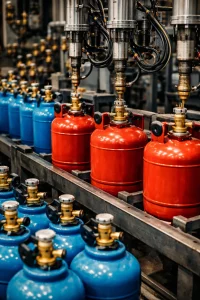
    Workers do pressure tests before sending out. Matching valve systems connect to the process. Safe handling occurs in storage.

    These stations check their tools often. This cuts the chance of mishaps in refilling.

    Questions to Ask Your Refill Provider

    When picking a supplier for your LPG gas bottle refill, ask these basic questions:

    • Do you follow national LPG safety standards?
    • Is your filling equipment calibrated regularly?
    • Can you confirm fill levels using certified weighing devices?

    These questions aid in picking a solid refill provider.

    Step-by-Step Guide to a Safe LPG Gas Bottle Refill

    Disconnecting and Transporting Your Cylinder Safely

    Before unhooking the LPG gas bottle from any device, make sure all burners are off. Close gas valves firmly. In moving, keep the bottle straight up in your vehicle. This avoids spills or falls.
    Weighing the Empty Cylinder Before Filling

    Safe LPG Gas Bottle

    Find the tare weight (TW) stamped on your cylinder’s collar. This shows the empty weight. In refilling, added gas must not pass the top fill limit, often 80% of the full space. For instance:

    The 6kg LPG cylinder (14.4 L) is suitable for large supplies.

    Max Filling Quality: 6KG

    Certified scales for weight help skip overfilling. Overfilling harms valves or builds unsafe pressure.

    Monitoring the Filling Process Carefully

    Key Safety Checks During Filling:

    • Use a fixed maximum liquid level gauge or OPD to stop at 80% fill.
    • Do not depend solely on float gauges; they are indicative but not precise.
    • If your cylinder has no gauge, always rely on weight-based measurements.

    Performing a Leak Test After Refilling

    Simple Leak Detection Techniques:

    After refilling, put soapy water on the valve spot. Bubbles mean a leak needs a quick fix. Handheld gas detectors give better results.

    Post-Fill Safety Practices and Storage Guidelines

    Sealing and Transporting the Refilled Cylinder Home Safely

    After refilling, close the valve tightly with the right tools if needed. Move it with valve caps or plugs on. This stops unwanted gas release.

    Safe Storage Practices at Home or Workplace

    Key Storage Guidelines:

    • Keep the cylinder upright on a firm surface.
    • Store it in a spot with good air flow away from the sun, heat, or fire.
    • Avoid tight spaces like car trunks or inside closets.

    The steel build gives better bump resistance. The steel build provides lasting work.

    Regular Maintenance and Inspection Tips for Long-Term Safety

    Periodic Checks Between Refills

    Check hoses, regulators, and links often for wear or harm. Swap out bad parts before hooking up the cylinder. This stops leaks or failures.

    When to Replace an LPG Cylinder Permanently

    Signs It’s Time to Retire a Cylinder:

    • Extensive corrosion or visible pitting
    • Failure in requalification tests
    • Valve malfunction or leakage that cannot be repaired

    The strong steel body handles bumps and rough moves in transport

    Mintai Cylinder provides solid LPG gas bottles like the 6kg and 9kg types. These focus on strength and safety with careful material choice and test rules.

    Production uses HP295/Q235B steel—set steps for each cylinder.

    For companies needing custom options, tailored cylinders exist. Choices include branding, valve styles, and color coats.

    OEM branding & logo printing; Custom colors; Valve types (POL / CGA / QCC / BS, etc.)

    With Mintai Cylinder’s focus on safety, work, and steady support after sale, users get an easy LPG gas bottle refill each time.

    Visit Mintai Cylinder at AIGLP Congress 2026 (Booth 64)

    Choosing a reliable cylinder is the first step toward long-term safety. We invite all industry partners and bulk buyers to visit Mintai Cylinder at the 39th AIGLP Congress, held at the trade fair in Buenos Aires (March 24-26, 2026).


    With over 1,800 participants and 70+ exhibitors, this event is the heart of LPG innovation in Latin America. Stop by Booth 64 to discuss our customized branding, valve fittings, and the rigorous testing rules that make Mintai Cylinder a trusted name in the global energy market.

    FAQ

    Q: How can I tell if my LPG cylinder is overfilled?

    A: Use calibrated weighing equipment to check if the weight exceeds the tare weight plus maximum fill capacity. Some cylinders also include OPD valves that automatically stop filling at 80%.

    Q: How often should my LPG gas cylinder be inspected or requalified?

    A: Every five years is standard for requalification. Check your cylinder’s stamped markings for inspection dates.

    Q: Can I refill my LPG gas bottle at home?

    A: No. Always go to certified refill stations where trained personnel use proper tools and follow safety procedures.

    Q: What should I do if I detect a gas leak after refilling?

    A: Turn off the valve immediately and move the cylinder to an open area. Use soapy water or a leak detector to confirm the leak location and contact a professional technician.

    Q: Does Mintai Cylinder offer customized LPG gas cylinders?

    A: Yes. B2B customization receives support for large buyers, including customized branding, valve fittings, color options, and packaging solutions tailored for various markets.


    Share the Post:

    Last News

    Propane vs LPG Gas Cylinders Which Is Best for Your Business
    Introduction Propane vs LPG gas cylinders for business — a subject that frequently stirs discussion...
    2026 Portable LPG Cylinder Supplier Guide Industrial & Outdoor Use
    Introduction The global energy landscape in 2026 is steadily shifting toward cleaner, more flexible,...
    How to Choose the Right LPG Gas Cylinder Size
    Introduction Liquefied Petroleum Gas (LPG) keeps working as one of the most flexible energy sources...
    OEM LPG Cylinder Manufacturer: Choosing the Right Partner 2026
    Introduction The worldwide need for LPG cylinders keeps climbing fast. This happens as energy use shifts...
    Top Gas Cylinder Suppliers: Quality & Certification Guide
    Introduction The need for dependable gas cylinders keeps growing around the world. This trend shows up...
    LPG Cylinder Factory Guide: Key Factors for Wholesale Buyers
    Introduction Liquefied Petroleum Gas (LPG) holds a key spot in everyday home and business energy needs....
    2026 Guide to Choosing a Reliable LPG Cylinder Manufacturer for Bulk Orders
    Introduction Picking a good LPG cylinder maker is an important choice for sellers, buyers from abroad,...
    Gas Cylinder Refill Safety: Procedures and Best Practices for LPG Filling Stations
    Introduction The demand for LPG cylinders keeps growing in Africa, Latin America, Southeast Asia, and...
    How Do Professionals Reduce Risks During Gas Cylinder Filling?
    Gas Cylinder Filling: Risks, Safety, and Best Practices 1. Common Hazards in Gas Cylinder Filling Operations   Gas...
    LPG Gas Bottle Guide: Ultimate Tips for a Hassle-Free Home
    LPG Gas Bottles Guide for Emerging Markets (Africa, Latin America, Southeast Asia & South America) 1....
    Propane vs LPG Gas Cylinders Which Is Best for Your Business
    2026 Portable LPG Cylinder Supplier Guide Industrial & Outdoor Use
    How to Choose the Right LPG Gas Cylinder Size
    OEM LPG Cylinder Manufacturer: Choosing the Right Partner 2026
    Top Gas Cylinder Suppliers: Quality & Certification Guide
    LPG Cylinder Factory Guide: Key Factors for Wholesale Buyers
    2026 Guide to Choosing a Reliable LPG Cylinder Manufacturer for Bulk Orders
    Gas Cylinder Refill Safety: Procedures and Best Practices for LPG Filling Stations
    How Do Professionals Reduce Risks During Gas Cylinder Filling?
    LPG Gas Bottle Guide: Ultimate Tips for a Hassle-Free Home

    contact us

    contact us

    Related products