
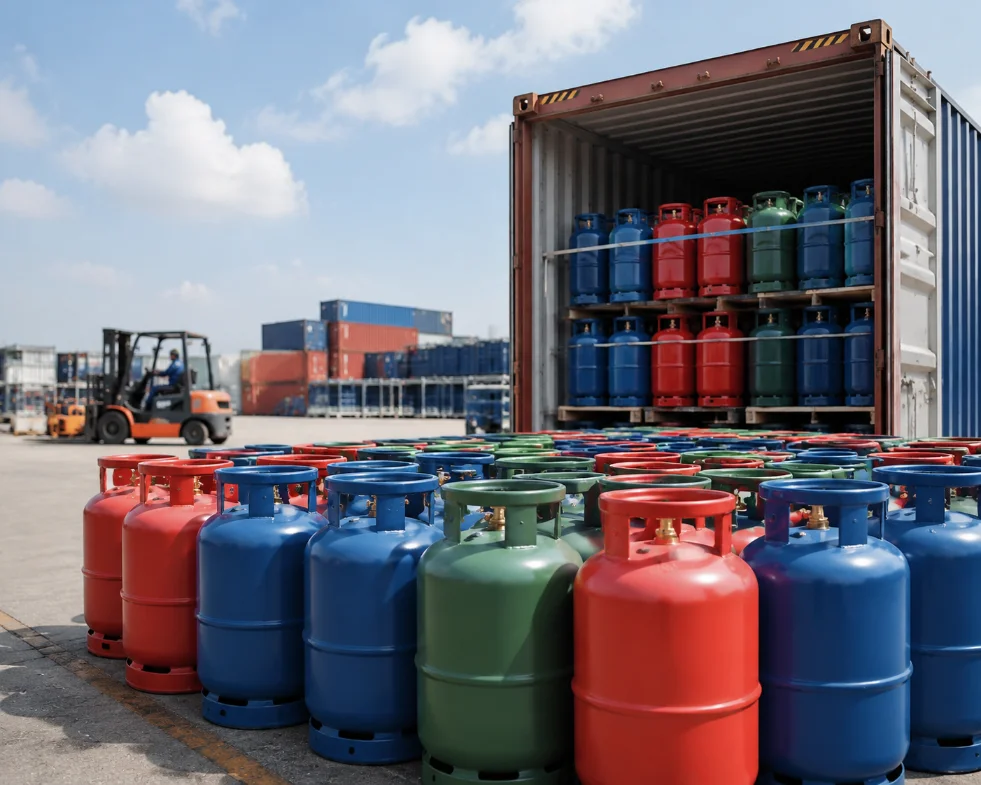
The market for LPG in Africa and Latin America is increasing rapidly because more industries and households have shifted their focus towards cleaner fuels. The need for LPG cylinders is increasing annually in countries across both continents. When it comes to B2B procurement, getting the right cylinders in bulk is not only about ordering; it involves considerations like safety regulations, correct specifications, and logistics processes capable of accommodating large distances.
Mintai Cylinder has positioned itself as a practical supplier for these emerging markets. The company focuses on producing quality LPG cylinders suitable for commercial and industrial gas storage needs. With years of export experience, they understand the specific challenges buyers face in Africa and Latin America.

Buyers need to know local rules, safety codes, and market needs before they start orders. This step helps keep things compliant and running smoothly.
Each country sets its own safety rules for LPG cylinders and transport. Most markets in Africa and Latin America follow ISO 4706 and EN 1442. These standards check that cylinders handle pressure tests, repeated use, and rust over time. Mintai Cylinder focuses on building safe, steady, and long-lasting gas cylinders for global buyers. Importers should check that every batch comes with hydrostatic test papers and factory reports. Clear documents help speed up customs and cut compliance issues.
| Certification | Description | Applicable Regions |
| ISO 4706 | Design & manufacturing standard for refillable welded steel LPG cylinders | Global |
| EN 1442 | European standard for welded steel LPG cylinders up to 150L capacity | Latin America (adopted by several countries) |
| Local Approvals | National standards or inspection agency endorsements | Country-specific |
Cylinder sizes change with the end use. Homes often pick 5kg or 6kg sizes for easy carry. Industrial sites need 12kg to 45kg units for steady work. The 12.5kg LPG Gas Cylinder from Mintai Cylinder fits fuel needs for homes and businesses in Ghana. The 9kg LPG Gas Cylinder from Mintai Cylinder suits daily cooking, outdoor tasks, and light business use. Steel stays the main choice because it handles 18–21 bar working pressure well. Composite options now appear for lighter needs.
Good buying depends on knowing what suppliers can do, their production standards, and how they handle shipping. These points help keep deliveries on time and costs in check.
A solid supplier brings technical skill and export know-how. Key points include enough output for large orders, steady quality checks, and experience with global certificates. Mintai Cylinder makes and ships 6kg LPG cylinders. It sends reliable camping gas cylinders to Africa, Latin America, Southeast Asia, and South America. Production uses HP295/Q235B steel. Processes stay controlled, and pressure tests run on every large batch. This matters when serving several distributors at once.
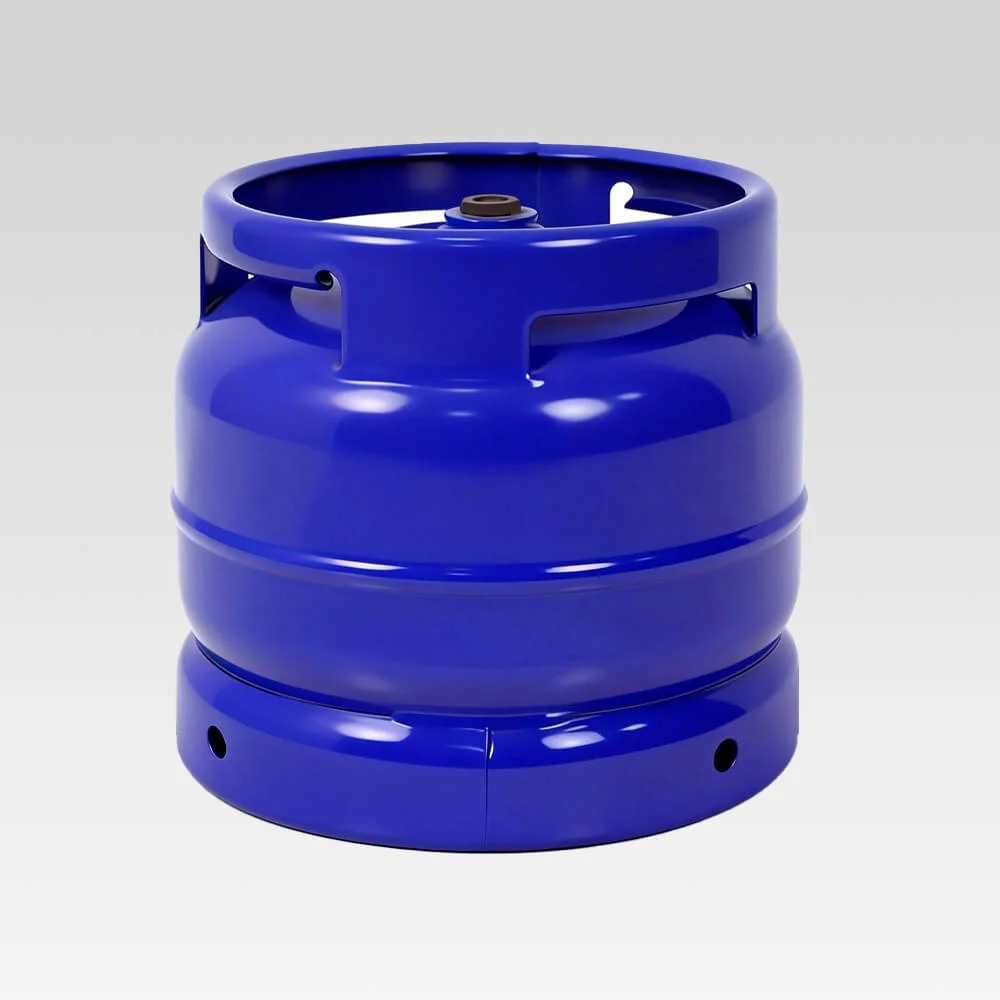
Bulk talks cover more than unit price. They balance minimum order sizes, payment choices such as T/T or L/C, lead times near 35 days, and options like color or valve type. MOQs often start at one 40ft HQ per model. Long-term deals help hold prices steady when currencies shift, which happens often in these markets.
Shipping large numbers of steel cylinders calls for careful plans. Mix models in one container to use space well. Prepare papers early because some ports ask for pre-shipment checks. Add insurance to cover loss or harm during sea travel. Packing fits container loads and suits sea and land moves. It cuts damage during transit.
Even with a trusted supplier, buyers must keep product condition from plant to user. This protects safety and brand name.
Each batch should pass hydrostatic tests above normal pressure, often at 31 bar. Staff also check welds and surfaces for flaws. Cylinders work at 21 bar and test at 31 bar. Buyers should ask for full papers before shipment. These include ISO or EN certificates, serial logs, valve details, and final reports.
Good storage stops dents and rust. Stand cylinders upright with caps on. Keep them in dry rooms away from sun. Train teams to lift with trolleys or forklifts. Check valves before filling. These steps extend life and lower risk during distribution.
Price is rarely just the unit cost. When budgeting for bulk LPG cylinder procurement, consider:
Strategic bulk ordering reduces costs significantly. Ordering a few hundred cylinders at once rather than multiple small shipments saves on freight and port handling. Repeat buyers often negotiate multi-year contracts to lock in prices, reducing exposure to currency fluctuations or raw material spikes.
Strong bulk LPG cylinder buying needs focus on rules, specs, supplier strength, shipping plans, and support after sale. Firms that handle these areas build steady supply lines. They meet rising energy needs in Africa and growth in Latin America’s service sector. Mintai Cylinder supplies certified cylinders made from high-grade steel. They hold up in tough settings such as kitchens in Ghana or food trucks in Brazil. Flexible B2B options fit these regional markets.
Contact Mintai Cylinder today to request a quote and secure your bulk LPG cylinder supply for Africa and Latin America in 2026.
A: ISO 4706, EN 1442, and local approvals help meet safety rules during production and delivery.
A: Sizes from 12kg to 45kg fit factories and large kitchens with higher use. The 12.5kg LPG Gas Cylinder from Mintai Cylinder works for homes and businesses in Ghana and serves many sectors.
A: Use certified containers and proper stacking. Good packing lowers damage during shipping. Insurance covers possible losses.
A: Lead times vary with volume but often run near 35 days. Early talks help match production with ship dates.
A: Ask for hydrostatic test results at 31 bar along with ISO or EN certificates from the maker’s quality team before dispatch.