
NEWS

news category

Table of Contents

    Last News

    What Is an LPG Cylinder Steel Disc? How Steel Blanks Become Deep-Drawn Cylinder Halves
      An LPG cylinder steel disc is the circular steel blank used before deep drawing forms the upper...
    LPG Cylinder Manufacturing Process: From Steel Coil to a Tested Cylinder
      The LPG cylinder manufacturing process turns controlled steel stock into a welded, heat-treated,...
    Steel Coil vs Pre-Cut Steel Blanks for LPG Cylinder Manufacturing: Which Is Better for Your Factory?
      LPG cylinder manufacturers can buy steel coil and blank circular discs in-house, or purchase...
    LPG Cylinder Manufacturing Process: From Steel Coil to Final Testing
      For B2B buyers, understanding the LPG cylinder manufacturing process is a practical way to judge...
    OEM LPG Cylinder Specification Checklist: Capacity, Valve, Color, Markings, and RFQ Requirements
      An OEM LPG cylinder specification checklist should convert market requirements into a cylinder...
    45kg LPG Cylinders for Restaurants and Commercial Kitchens: Sizing and Buyer Requirements
      A 45kg LPG cylinder for restaurant use can reduce replacement frequency and support higher fuel...
    Small LPG Cylinders for African Clean Cooking Programs: A B2B Procurement Guide
      Small LPG cylinders for African clean cooking programs can lower the cash required for a full...
    How to Specify LPG Cylinders for a Branded Cylinder Recirculation Model
      Specifying LPG cylinders for a branded cylinder recirculation model is not simply a matter of...
    LPG Cylinder Types Explained: Domestic vs Commercial Sizes, Uses, and B2B Selection
      The main LPG cylinder types are portable, domestic, commercial, and light-industrial cylinders....
    LPG Cylinder Size and Dimensions Chart: 3kg to 45kg
      LPG cylinder dimensions are not determined by nominal gas capacity alone. Two cylinders labeled...
    What Is an LPG Cylinder Steel Disc? How Steel Blanks Become Deep-Drawn Cylinder Halves
    LPG Cylinder Manufacturing Process: From Steel Coil to a Tested Cylinder
    Steel Coil vs Pre-Cut Steel Blanks for LPG Cylinder Manufacturing: Which Is Better for Your Factory?
    LPG Cylinder Manufacturing Process: From Steel Coil to Final Testing
    OEM LPG Cylinder Specification Checklist: Capacity, Valve, Color, Markings, and RFQ Requirements
    45kg LPG Cylinders for Restaurants and Commercial Kitchens: Sizing and Buyer Requirements
    Small LPG Cylinders for African Clean Cooking Programs: A B2B Procurement Guide
    How to Specify LPG Cylinders for a Branded Cylinder Recirculation Model
    LPG Cylinder Types Explained: Domestic vs Commercial Sizes, Uses, and B2B Selection
    LPG Cylinder Size and Dimensions Chart: 3kg to 45kg

    contact us

    Sustainable LPG Cylinder Manufacturing: Mintai’s Eco-Friendly Strategy 2026

    Sustainable LPG Cylinder Manufacturing Mintai’s Eco-Friendly Strategy 2026

    Introduction

    Sustainability goes beyond a simple trend in manufacturing. It has turned into an essential requirement. In the liquefied petroleum gas (LPG) cylinder industry, steel making and energy-heavy methods stand out. Sustainable manufacturing ways are changing how firms run their operations.

    Mintai Cylinder, a worldwide LPG cylinder manufacturer, leads this change. The company builds eco-conscious strategies into each part of its making process. From material sourcing to product design, Mintai Cylinder shows a steady dedication to caring for the environment and innovation.

    The Need for Sustainable Manufacturing in the LPG Industry

    The environmental impact of traditional cylinder manufacturing

    Standard LPG cylinder making uses up plenty of energy and basic materials. Hot forging, joining, and painting steps give off major carbon outputs. Leftover steel and cleaning agents add to dirtiness if handled poorly. This leads to a big mark on nature that many makers now work hard to shrink.

    The growing demand for sustainability in industrial sectors

    In markets around the world, leaders have made stricter rules on the environment and set limits on releases. Factory buyers often choose sellers who follow green rules. Shoppers also favor brands that match their care for the planet. This change forces every gas cylinder supplier to think again about making things more efficient and meeting eco rules.
    Mintai Cylinder’s Commitment to Sustainability

    Overview of Mintai Cylinder’s manufacturing processes

    lpg-cylinder-leakage-tightness-test

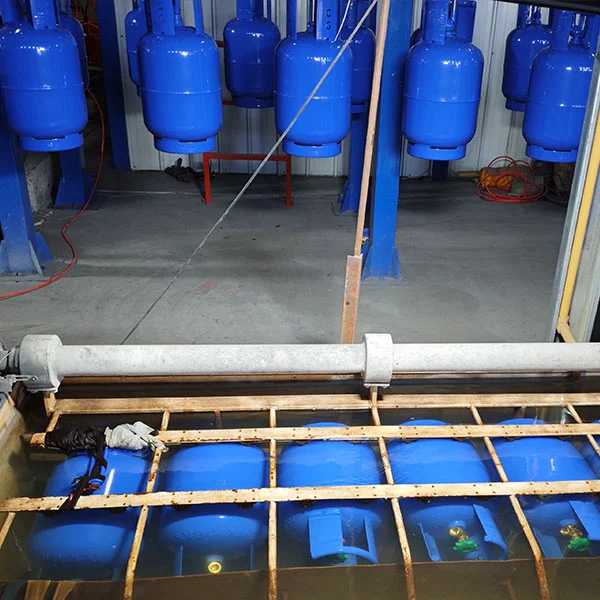
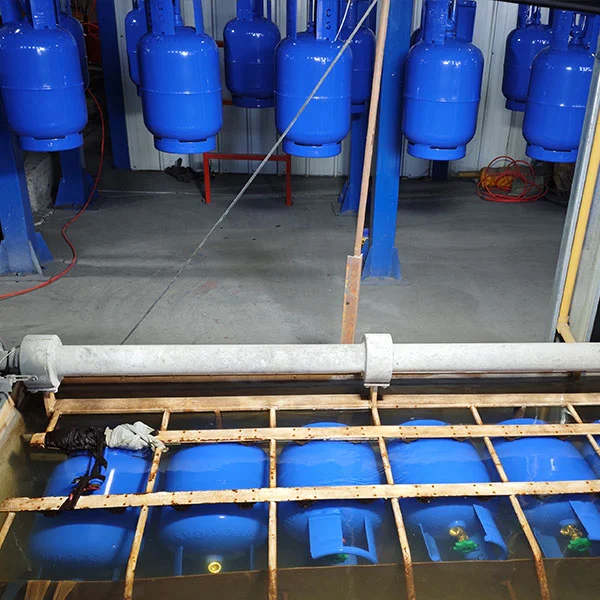
    Mintai Cylinder is a skilled manufacturer and exporter of LPG cylinders. It provides reliable gas cylinders to places like Africa, Latin America, Southeast Asia, and South America. The company’s facilities use modern equipment that lowers power use. At the same time, it keeps exactness in forming HP295/Q235B steel into tough cylinders. These materials can be recycled, and they last a long time.

    Mintai Cylinder adds automatic setups that drop mistakes by people and extra material loss. The making lines work for steady flow production. Less waiting time means less power usage per unit produced.

    Reduction in environmental footprint

    With better control of steps, Mintai Cylinder cuts down on scrap metal creation. It reuses side products when it can. Its facilities aim to lower carbon releases by switching to power-saving ovens. They also bring in cleaner painting methods that give off fewer harmful gases.

    Eco-Friendly Materials and Innovation in Design

    Sustainable materials used in Mintai cylinders

    Production uses HP295/Q235B steel. This top-quality steel keeps things safe. It also allows full recycling at the end of each cylinder’s use. Plus, harmless coatings stop rust without hurting nature. This proves key for green finishing on surfaces.

    Innovative design for longevity and recyclability

    Mintai Cylinder designers build LPG cylinders with lasting strength in mind. Stronger builds make them last longer, even with rough treatment in shipping or keeping. The firm steel shell handles hits and hard moves during travel. After they stop working, these cylinders turn into new steel items. This sets up a loop economy in the LPG field.

    Achieving Energy Efficiency in Manufacturing

    Technologies employed to reduce energy consumption

    Energy-efficient machinery plays a vital role in cutting production emissions. Automated welding machines use less electricity per weld than manual systems. They maintain even quality in groups. Some sites now add green power like sun panels for side tasks such as lights or air pushing.

    The impact on production costs and environmental benefits

    Changing to greener technologies requires investment. But over time, benefits come from lower running costs. This happens through less fuel use and fix-ups. Power saving measures show clear gains. For instance, each ton of steel handled takes less electric now. This reflects both cost savings and emission reduction.

    Certification and Compliance with Global Standards

    Compliance with international sustainability standards

    Mintai Cylinder sticks closely to ISO4706 and EN1442 rules for LPG cylinder making. This covers safety and care for the environment in all work. Mintai Cylinder products match worldwide safety rules. These approvals check that every part, from picking materials to testing pressure, follows top global ways for sustainable making.

    The importance of certifications for customers and partners

    For distributors, wholesalers, and project buyers across emerging markets, certified products mean reliability and trustworthiness. Certifications also strengthen partnerships by assuring clients that they’re dealing with an environmentally responsible LPG cylinder manufacturer committed to continuous improvement.
    9kg-lpg-gas-cylinderMintai’s Future Vision for Sustainable LPG Cylinder Manufacturing

    Continuous improvement in sustainability efforts

    Mintai Cylinder puts a lot of funds into research and growth. The goal is finding new metal mixes with smaller carbon marks. It also builds auto check systems that cut waste in quality looks. The firm plans to grow its green steps outside China. It will use the same eco plans in all shipping areas.

    Goals for 2026 and beyond

    By 2026, Mintai Cylinder targets zero-carbon making. This comes from adding green power, waste reuse plans, and digital watchers for live resource tracking in factories. These steps align with its broader mission—to create durable yet eco-friendly LPG solutions for homes, businesses, and outdoor users worldwide.

    Sustainability Goals Target Year Key Focus Area
    Carbon-neutral operations 2026 Renewable energy integration
    Waste reduction by 40% 2025 Recycling & reuse initiatives
    Full recyclable packaging 2024 Export logistics optimization

    Conclusion

    Sustainable manufacturing stands as more than a choice. It forms the base of coming growth in fields like LPG cylinder making. Mintai Cylinder shows how tech-based saving can pair with planet care. It does this without losing strength or low cost. Its goods, from small camping types to big business ones, mix lasting power, safety, and green duty together.

    Businesses seeking reliable supply chains can benefit from partnering with Mintai Cylinder not just as a gas cylinder supplier, but as a partner in building a greener industrial ecosystem.

    FAQs

    Q1: What makes Mintai’s LPG cylinders more sustainable than traditional options?

    A: Mintai Cylinder picks recyclable HP295/Q235B steel. It pairs this with harmless coatings. The firm runs power-saving machines that lower releases during making.

    Q2: How does Mintai ensure its manufacturing process remains environmentally friendly?

    A: Through optimized production lines that minimize waste generation, adoption of renewable energy sources where feasible, and strict adherence to ISO4706 environmental standards.

    Q3: What certifications does Mintai hold for sustainable manufacturing practices?

    A: The company meets ISO4706 and EN1442 approvals. These back safe build ideas that line up with worldwide green ways.

    Q4: Can Mintai’s LPG cylinders be recycled after use?

    A: Yes. Cylinders from HP295/Q235B steel recycle fully at end stages. They keep material wholeness and safety strength.

    Q5: How does Mintai contribute to reducing carbon emissions during cylinder production?

    A: It adds forward machines that use less power per item made. The firm also looks into green power across its factories around the world.

    Share the Post:

    Last News

    What Is an LPG Cylinder Steel Disc? How Steel Blanks Become Deep-Drawn Cylinder Halves
      An LPG cylinder steel disc is the circular steel blank used before deep drawing forms the upper...
    LPG Cylinder Manufacturing Process: From Steel Coil to a Tested Cylinder
      The LPG cylinder manufacturing process turns controlled steel stock into a welded, heat-treated,...
    Steel Coil vs Pre-Cut Steel Blanks for LPG Cylinder Manufacturing: Which Is Better for Your Factory?
      LPG cylinder manufacturers can buy steel coil and blank circular discs in-house, or purchase...
    LPG Cylinder Manufacturing Process: From Steel Coil to Final Testing
      For B2B buyers, understanding the LPG cylinder manufacturing process is a practical way to judge...
    OEM LPG Cylinder Specification Checklist: Capacity, Valve, Color, Markings, and RFQ Requirements
      An OEM LPG cylinder specification checklist should convert market requirements into a cylinder...
    45kg LPG Cylinders for Restaurants and Commercial Kitchens: Sizing and Buyer Requirements
      A 45kg LPG cylinder for restaurant use can reduce replacement frequency and support higher fuel...
    Small LPG Cylinders for African Clean Cooking Programs: A B2B Procurement Guide
      Small LPG cylinders for African clean cooking programs can lower the cash required for a full...
    How to Specify LPG Cylinders for a Branded Cylinder Recirculation Model
      Specifying LPG cylinders for a branded cylinder recirculation model is not simply a matter of...
    LPG Cylinder Types Explained: Domestic vs Commercial Sizes, Uses, and B2B Selection
      The main LPG cylinder types are portable, domestic, commercial, and light-industrial cylinders....
    LPG Cylinder Size and Dimensions Chart: 3kg to 45kg
      LPG cylinder dimensions are not determined by nominal gas capacity alone. Two cylinders labeled...
    What Is an LPG Cylinder Steel Disc? How Steel Blanks Become Deep-Drawn Cylinder Halves
    LPG Cylinder Manufacturing Process: From Steel Coil to a Tested Cylinder
    Steel Coil vs Pre-Cut Steel Blanks for LPG Cylinder Manufacturing: Which Is Better for Your Factory?
    LPG Cylinder Manufacturing Process: From Steel Coil to Final Testing
    OEM LPG Cylinder Specification Checklist: Capacity, Valve, Color, Markings, and RFQ Requirements
    45kg LPG Cylinders for Restaurants and Commercial Kitchens: Sizing and Buyer Requirements
    Small LPG Cylinders for African Clean Cooking Programs: A B2B Procurement Guide
    How to Specify LPG Cylinders for a Branded Cylinder Recirculation Model
    LPG Cylinder Types Explained: Domestic vs Commercial Sizes, Uses, and B2B Selection
    LPG Cylinder Size and Dimensions Chart: 3kg to 45kg

    contact us

    contact us

    Related products