
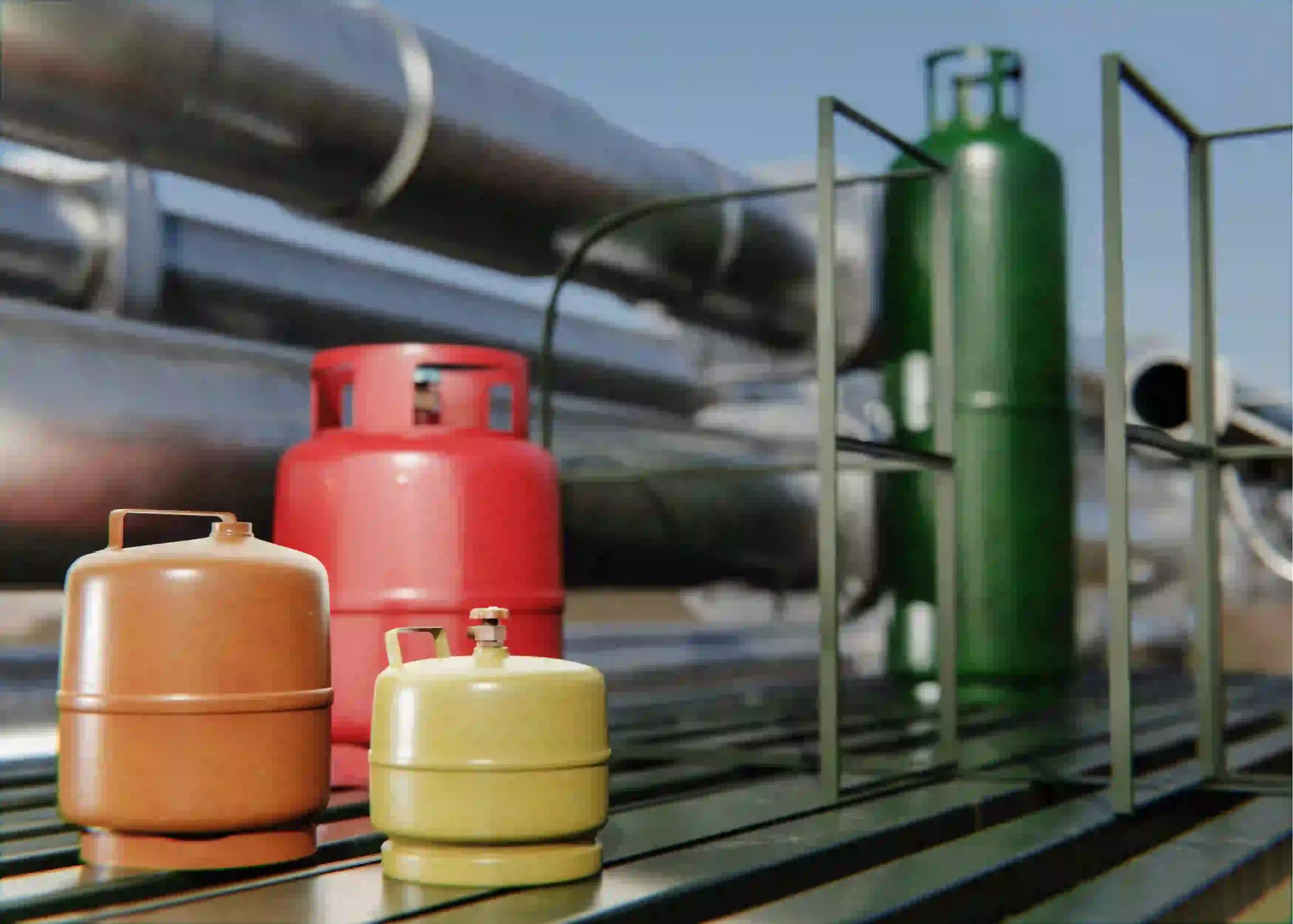
The global energy landscape changes all the time. Liquefied Petroleum Gas (LPG) acts as a key foundation for steady growth. In many developing areas, especially in Africa, Latin America, and Southeast Asia, LPG works as the main clean energy source instead of old fuels like charcoal and firewood. B2B buyers such as LPG distributors, industrial wholesalers, and project managers see that choosing a sturdy LPG gas cylinder impacts daily safety. This choice also builds long-term brand trust and income flows.
This guide provides a full, step-by-step method to handle the tough buying process. It includes specific details on the quickly growing African energy area.
Procurement starts by matching the product to the exact social and economic needs of the target area.
In rising markets, LPG fuels everyday home cooking. Larger cylinders fit best to cut refill visits. Larger cylinders give homes a steady energy supply for cooking and water heating.
Restaurants, street food sellers, and catering outfits require strong choices. Buyers in this group stress durability and pressure resistance. Cylinders face ongoing moves and regular handling in these spots.
Portable options expand at a quick rate. From camping gas cylinders for RV drivers to easy setups at events, the call for light, small sizes reaches high points.
Areas with spotty power lines depend on LPG for key support. LPG powers heaters and certain tools during blackouts. The system keeps small shops going.
Picking the proper size matches user ease with delivery demands.
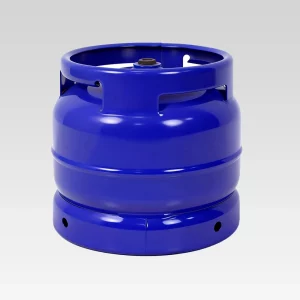
The 6kg LPG cylinder (14.4L water capacity) stands as the top pick in growing markets.
Portability: The small design (310mm height) makes it suitable for camping as a gas cylinder.
Logistics Efficiency: This size improves container space. As a result, it reduces shipping costs per piece for big orders.
Market Entry: New LPG users often select this option. Low upfront price and easy movement boost its appeal.
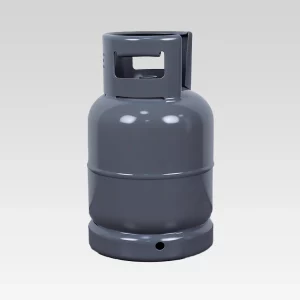
The 9kg model (21.6L water capacity) joins portable uses with fixed home needs.
Long-Lasting Fuel: This capacity works for grill setups and yard cooking. Users gain multiple hours of even heat.
Industrial Toughness: Builders add a firm pressure design for basic work gas uses.
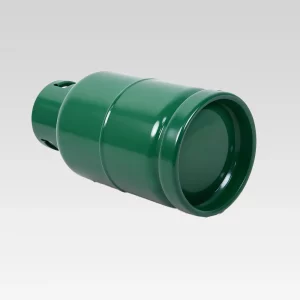
The 12.5kg cylinder (26.5L water capacity) forms the base of home and business gas supply.
High Volume: Home kitchens, heaters, and eatery supplies count on this size.
Durability: Makers use strong steel for long service in high-pressure conditions.
Africa leads in LPG progress today. Still, the region sets unique obstacles for B2B buyers to solve.
West Africa (e.g., Nigeria, Ghana): Markets here shift to a Brand Owner Model. Sellers oversee the full cylinder cycle. Buyers seek containers with high strength.
East Africa (e.g., Kenya, Tanzania): Demand rises for 6kg “Burner” style cylinders. Buyers cook straight on top of these units.
Southern Africa: South Africa sets strict rules (SANS 10019). Outside tests cover imported pressure units.
Hauling goods in many African places means bumpy roads and strong sun. One LPG gas cylinder must stand up to hard handling and tough trips. Steel grades like HP295/Q235B steel resist wear or cracks in transit.
Safety sets the main rule in gas handling. Plants check each cylinder closely before sending.
Steel Grade: Choose steel made for cylinders, such as HP295 or Q235B.
Wall Thickness: 6kg types usually measure 2.3mm to 2.5mm to manage pressure well.
Working Pressure: Units run at 18 bar (2.1 MPa for larger ones).
Test Pressure: Checks happen at a minimum of 34 bar (3.1 MPa for larger ones). Tests spot any leaks or flaws.
Global deals work best with rules like ISO4706 and EN1442. Following them clears borders and safety inspections.
To stand out in business, offer more than basic products. Custom work helps build a clear brand mark.
OEM Branding: Print the business logo and safety info straight on the cylinder body.
Custom Colors: Choose shades like bold orange or deep blue. Colors help track stock and show the brand.
Valve Specification: Areas call for different valve fits. Common picks include POL, CGA, QCC, or BS. Wrong valves stop a full batch from local service.
Integrated Accessories: In Africa, units with added burners or easy-grip parts move fast.
B2B buying creates lasting ties. Understanding factory strengths builds a solid supply path.
Minimum Order Quantity (MOQ): Large buys start at one 40ft HQ container. Some factories mix two kinds in one load. Mixing aids stock handling.
Lead Times: Building takes about 35 days. Factor in the time to dodge stock shortages.
Payment Terms: Ways to pay cover T/T (Telegraphic Transfer) and L/C (Letter of Credit).
Quality Control (QC): Reliable makers review raw materials, test pressures, and inspect final batches.
The LPG gas cylinder field needs more than simple vendors. Partners with know-how in new markets matter most. Buying straight from makers like Mintai Cylinder offers good prices, expert advice, and steady quality to grow sales lines.
Put focus on safety rules, local rules (key in Africa), and shipping fixes. B2B buyers then supply safe, steady energy to customers.
A:Our standard MOQ is one 40ft HQ container per model, though we allow mixing up to two models in one container.
A: Standard orders usually take 35 days, while custom OEM orders may require additional time.
A: Yes, Mintai Cylinder provides custom solutions including logo printing, custom colors, and specific valve types (POL, CGA, etc.).
A: Each batch undergoes strict QC, including material checks and pressure testing (at 34 bar/3.1 MPa) before shipping.
A: Yes, samples are available for most models. Sample and shipping fees can typically be deducted from your first bulk order.