
In industrial fuel storage, safety rarely comes from one single part. A strong steel body matters. A stable foot ring matters. Surface coating, markings, packaging, and handling rules all have their place. Still, the small part that gets turned by hand every day often carries the most direct responsibility: the LPG cylinder valve.
For gas distributors, factory buyers, commercial fuel operators, and fire protection contractors, valve technology is more than a fitting on top of a cylinder. It controls gas flow, supports pressure response, connects the cylinder to regulators, and helps reduce leakage during storage, filling, transport, and use. A poorly matched valve can create trouble even when the cylinder body itself is well made.
Mintai Cylinder focuses on LPG cylinder products for commercial, industrial, and export markets. Its product range includes portable and larger LPG cylinder models used in household supply, commercial kitchens, outdoor fuel use, regional distribution, and higher-consumption industrial scenarios. In these markets, the valve and safety accessories need to match real working conditions, not just look acceptable on a quotation sheet.
Industrial users often check capacity, steel grade, and price first. Fair enough. Still, the valve decides how gas is controlled after the cylinder reaches the job site. It must open smoothly, close firmly, connect with the right regulator, and keep sealing performance through repeated handling.
In a workshop, one damaged outlet thread can slow production. In a fire protection supply chain, unclear valve marking can delay routine inspection.
Most safety problems do not start with one dramatic failure. They often start small.
The valve body carries the pressure path. It needs stable machining, proper material selection, and a precise connection with the cylinder neck ring. The stem controls opening and closing. If movement feels too loose or too tight, field users may overforce the valve, which creates wear.
The handwheel gives the operator control. Seals help block gas leakage when the valve is closed. The outlet connects the cylinder to a regulator or hose assembly. For export orders, outlet type can be just as important as cylinder capacity, because different markets use different valve standards.
Safety valve technology may include pressure relief or excess-flow functions, depending on cylinder type, market rules, and application. A pressure relief feature helps release excess pressure under abnormal heat or pressure conditions. An excess-flow design can reduce uncontrolled gas release when flow rises sharply.
The valve sits at the top of the cylinder, so it is exposed during loading, stacking, and unloading. A guard or collar helps protect it from impact. This is useful for industrial gas cylinder shipments, where cylinders may pass through several warehouses before final use.
A protection cap can reduce dust and mechanical damage around the outlet. A foot ring keeps the cylinder stable on rough floors. Coating helps reduce corrosion, especially in coastal regions or outdoor storage.
Clear marking supports safer handling. Batch number, tare weight, water capacity, test information, and branded labeling help distributors manage stock and after-sales records. In B2B trade, traceability is a quiet but serious advantage.
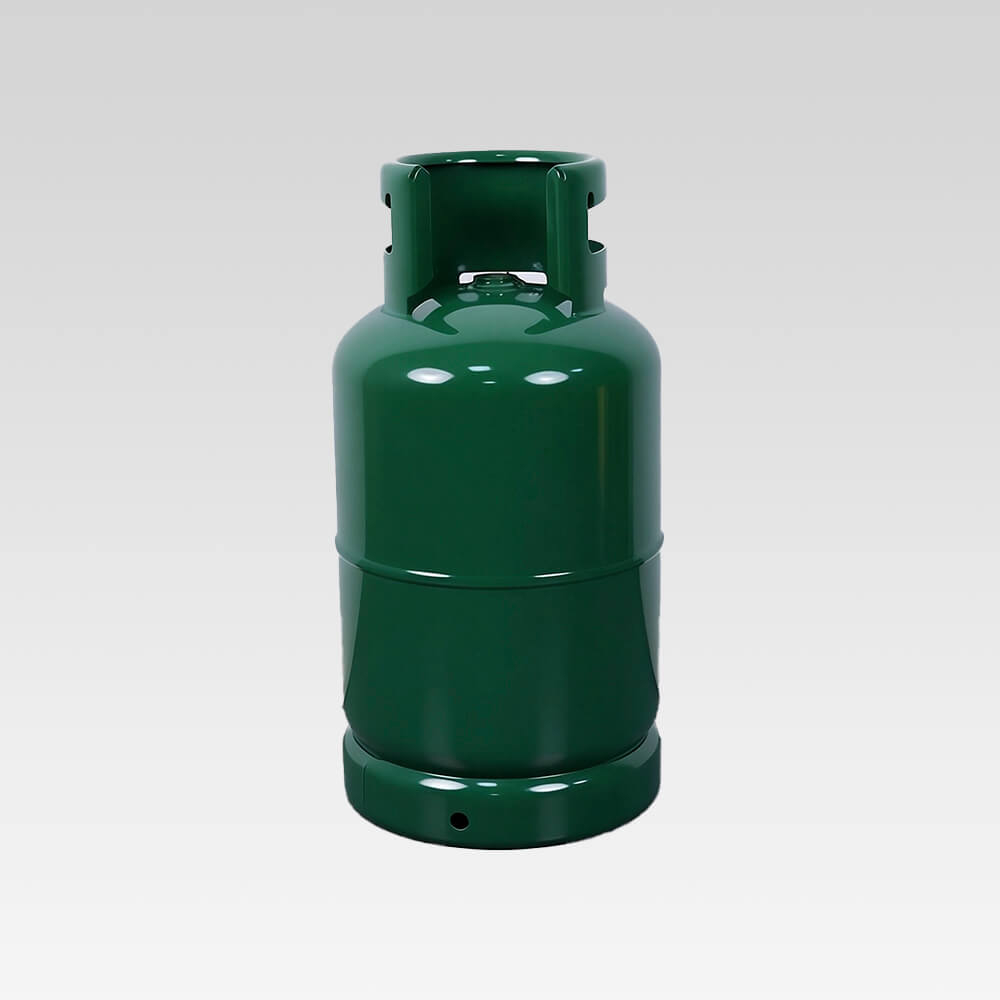
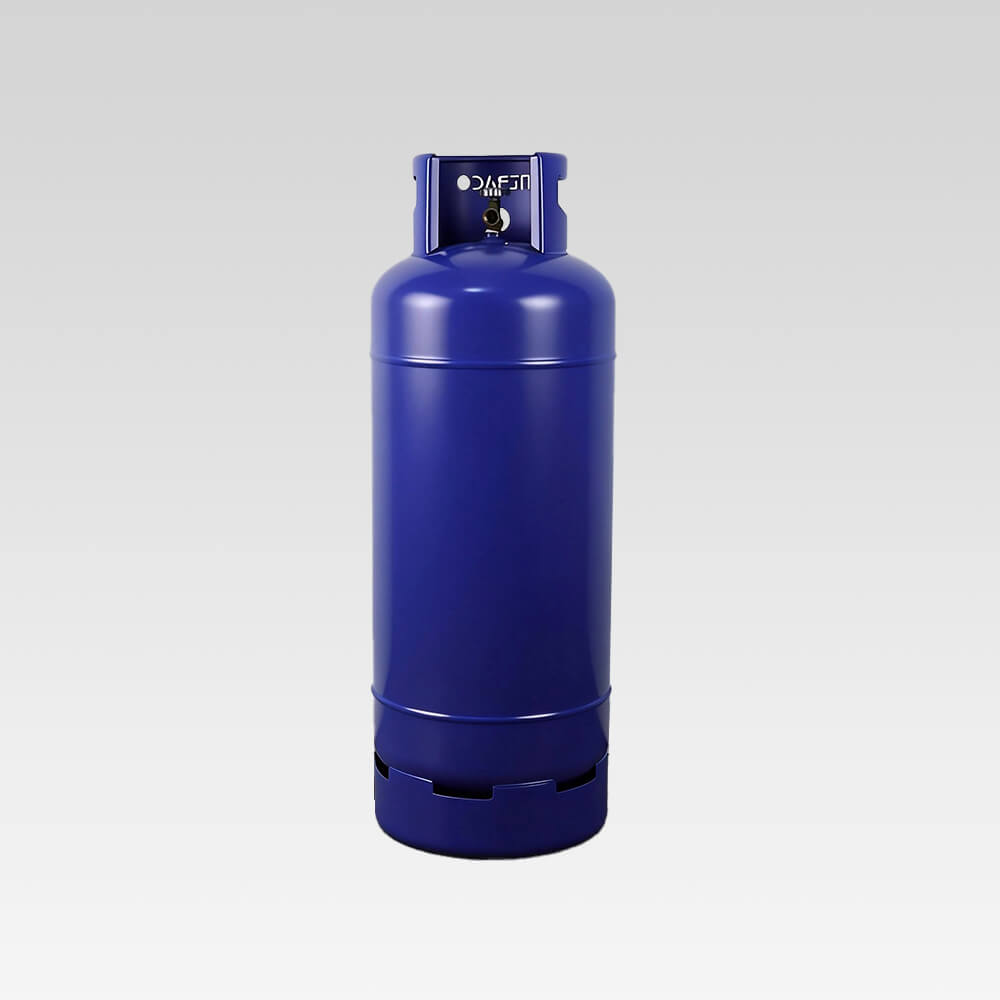
Mintai Cylinder offers several LPG cylinder sizes for different market needs. Smaller models such as 3kg, 6kg, and 9kg fit lighter commercial, camping, and portable use. The 12.5kg LPG cylinder is common in regional fuel distribution and daily gas supply. Larger 20kg and 45kg/100lbs models are more suitable for commercial kitchens, restaurants, small businesses, outdoor cooking, and light industrial gas use.
| Product direction | Typical use case | Procurement focus |
| 3kg-9kg LPG cylinder | Portable and light commercial use | Weight, handle design, storage |
| 12.5kg LPG cylinder | Regional fuel distribution | Valve type, coating, bulk loading |
| 20kg LPG cylinder | Commercial cooking and business use | Capacity, supply, regulator matching |
| 45kg/100lbs LPG cylinder | Commercial kitchens, restaurants, small businesses, and light industrial use | Valve interface, regulator matching, 1.8MPa working pressure, and 3.4MPa test pressure |
| Firefighting-related cylinder category | Safety-sensitive support fields | Traceability, inspection records |
The valve choice should follow the same logic as the cylinder size: local, practical, and serviceable. One market may need mostly 12.5kg cylinders. Another may need 45kg cylinders for restaurants, foodservice kitchens, commercial fuel supply, or light industrial operations.
Mintai Cylinder highlights hydraulic testing, tightness testing, bursting testing, mechanical testing, X-ray inspection, water volume testing, and air tightness testing in its quality control process. These tests matter because valve safety is tied to the whole pressure system. A strong valve cannot make up for a weak weld. A well-made cylinder still needs a reliable valve seal.
Hydraulic testing checks structural strength under pressure. Tightness testing uses pressurized air to find micro leaks. Bursting tests verify the safety margin of the design. X-ray inspection helps check weld quality. For bulk buyers, these steps reduce receiving risk.
A distributor may order 45kg cylinders for commercial kitchens but overlook valve outlet compatibility. The cylinders arrive in good condition, yet local installers cannot connect them to common regulators. The issue is not dramatic, but it creates extra parts sourcing, delay, and customer complaints. A ten-minute valve confirmation before production would have avoided the mess.
Factories may use LPG for heating, cutting, maintenance, and backup fuel. In these environments, cylinders move around more often than expected. Durable valve protection and stable sealing performance help reduce downtime and handling risk.
Fire protection-related procurement requires a tighter attitude toward traceability and inspection. Cylinders used in safety-sensitive fields should have clear markings, reliable valve protection, and documented testing. Nobody wants to search for missing cylinder data during an urgent check.
LPG cylinder safety depends on the full product system, and the lpg cylinder valve is one of its most important control points. For industrial applications, valve design, outlet compatibility, pressure relief function, sealing quality, and protective accessories all affect daily operation. Steel construction, coating, testing, packaging, and documentation add another layer of confidence for B2B buyers.
Mintai Cylinder provides LPG cylinder products for commercial, industrial, and export markets, with multiple size options, valve customization, and quality control processes that support safer procurement decisions. For industrial gas cylinder sourcing, fire protection-related supply, or bulk LPG cylinder distribution, contact Mintai Cylinder for valve options, technical specifications, and a project-based quotation.
Q1: What makes an LPG cylinder valve important for industrial safety?
A: An LPG cylinder valve controls gas flow, supports sealing, connects with regulators, and helps prevent unsafe gas release.
Q2: Which valve details should be checked before bulk purchasing LPG cylinders?
A: Buyers should check outlet type, thread standard, regulator compatibility, pressure relief needs, local rules, and valve protection accessories.
Q3: How do safety accessories improve LPG cylinder performance?
A: Valve guards, collars, caps, foot rings, coatings, and markings help reduce impact damage, corrosion, unstable placement, and handling mistakes.
Q4: What LPG cylinder sizes are suitable for industrial applications?
A: Common choices include 12.5kg, 20kg, and 45kg/100lbs cylinders, depending on gas demand, storage conditions, and replacement frequency.
Q5: What documents should come with industrial gas cylinder orders?
A: Useful documents include certificates, hydraulic test records, air tightness reports, valve details, serial logs, final inspection reports, and shipping documents.