
Liquefied Petroleum Gas (LPG) holds a key spot in everyday home and business energy needs. It powers cooking in kitchens and heating in factories. LPG cylinders stay essential in many places. But the trustworthiness of an LPG tank relies a lot on the quality rules followed by its maker. Picking from unchecked sources might bring safety troubles, spotty supplies, or breaks in global rules. For big buyers, these dangers can mess up whole supply lines.
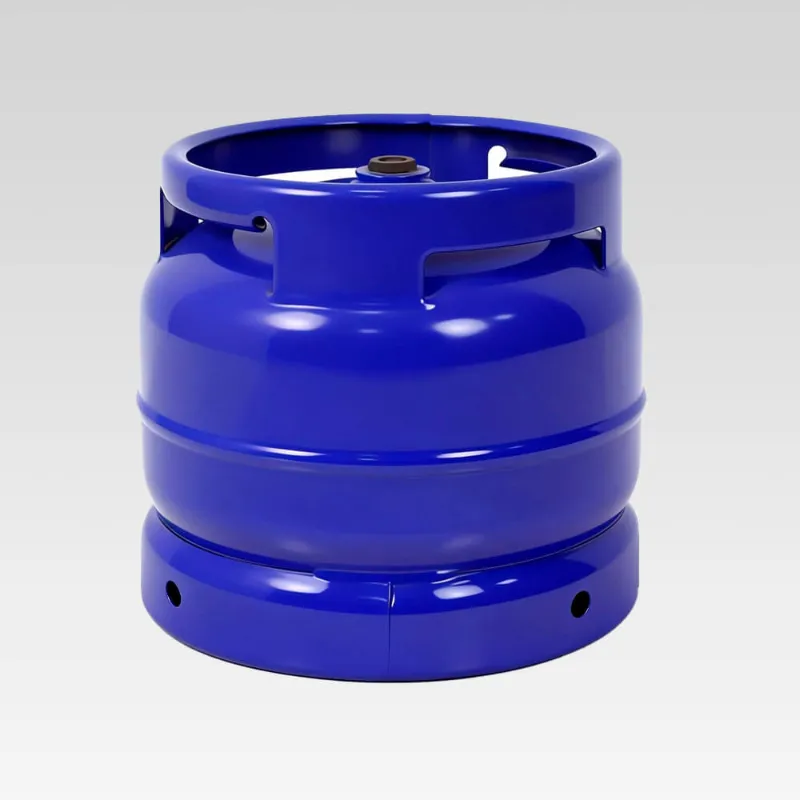
In this field, Mintai Cylinder shines as a solid choice with a good track record in worldwide deliveries. Mintai Cylinder makes and ships out 6kg LPG cylinders. They provide steady camping gas cylinders to spots like Africa, Latin America, Southeast Asia, and South America. This good name comes from steady product quality. It also stems from sticking to worldwide safety rules.
Safety certification marks the starting point in checking any LPG cylinder maker. Cylinders need to match well-known global rules like ISO 4706, CE, or DOT certifications. These confirm that each item hits certain marks for material toughness, pressure handling, and valve strength.
The 6kg LPG cylinder spec sheet notes compliance with ISO4706 and EN1442. Such certifications go beyond paperwork. They decide if products can enter specific areas legally. For sellers or middlemen covering various zones, proven certification cuts down on border headaches or blame problems down the road.
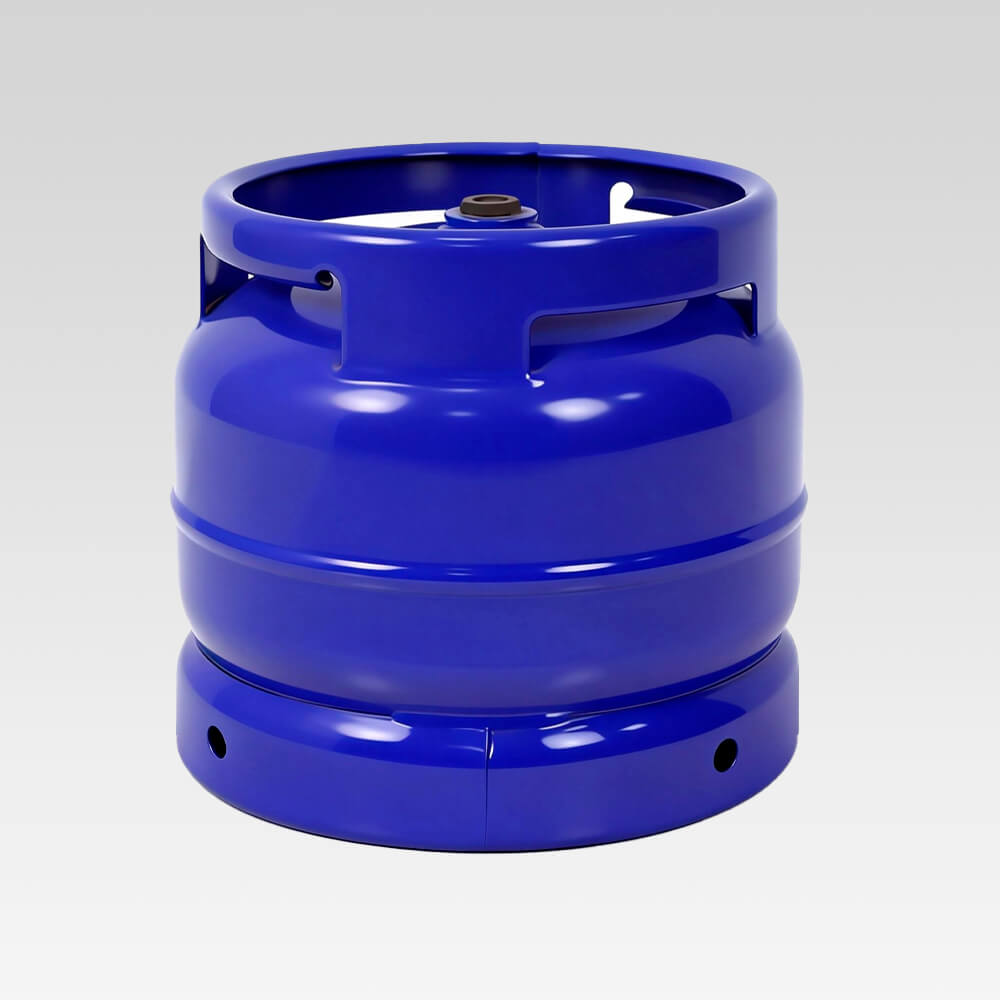
Besides papers, factory test methods show how much a maker cares about safety. Trusted makers like Mintai run regular pressure checks and leak hunts on every group before sending off. Workers carry out pressure testing right before delivery. These inside reviews build trust that each cylinder from the plant works safely in actual use. Take a batch heading to a busy market in Southeast Asia—those tests make sure nothing goes wrong during transport or setup.
Production capacity shows if a supplier can handle big orders without delaying timelines or dropping steady quality. A up-to-date LPG cylinder maker ought to run machine-driven lines that manage high-volume building while keeping even standards.
Mintai’s setup shows this smooth operation. Managed steps form each cylinder. Pressure tests back up steady quality in huge orders. Such machine work speeds up making things. And it cuts down on people mistakes—vital when handling pressure-filled items. In one case, they ramped up for a Latin American client needing 10,000 units in under two months, and everything stayed on track.
Adaptability counts too for large supply buyers serving varied areas. Some customers might want different sizes or marked finishes for local tastes. B2B customization gets backing for big buyers: OEM branding & logo printing, custom colors, valve types (POL / CGA / QCC / BS, etc.), packaging solutions for export. This flexibility lets middlemen adjust their stock without juggling several sources. It’s a real plus in markets where rules shift from country to country.
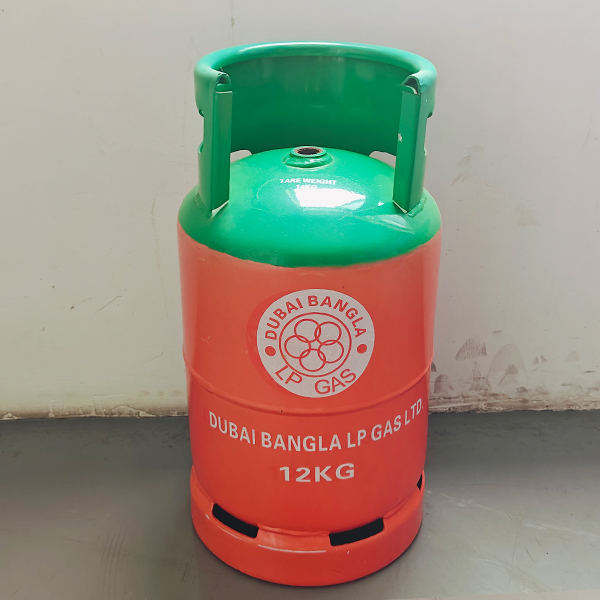
Material makeup directly shapes the lasting power and function of an LPG tank. Top-notch steel fights off rust and physical strain better. These often set how long it lasts in damp or rough spots.
Production uses HP295/Q235B steel. This type gives strong pull strength. At the same time, it keeps weld solidity during building. On top of picking materials, surface fixes like rust-proof layers boost use in seaside or hot, wet areas. For example, cylinders sent to coastal Africa get extra coating to handle salty air over years.
Durability covers more than materials. It’s about careful building too. Cylinders face water-pressure tests to check pressure staying power. These usually hit levels way above normal work pressure. For instance, the 6kg LPG cylinder has a working pressure of 18 bar and a test pressure of 34 bar. These numbers highlight how thoroughly each piece gets checked before shipping.
Buyers ought to look at warranty details or swap policies from the supplier. A solid maker stands by its goods with clear post-sale promises. This shows faith in ongoing work. Not every company does this equally—some skimp, but it pays to push for details upfront.
Smooth logistics can build or ruin wholesale ties. This rings true especially in cross-border trade. There, border checks and port work add layers of hassle. Makers with global shipping know-how often have set routes that lower travel risks.
Optimized for container loading; suitable for sea freight and inland transport; export experience to multiple developing regions; professional packing to reduce the damage rate. These skills prove Mintai’s prep for worldwide spread on a big scale. Picture a shipment to South America—proper packing meant zero losses in a stormy crossing last year.
Post-sale help sets leading suppliers apart from ordinary ones. It might cover setup tips or quick fixes for broken items. Quick response keeps business running well after the buy. Reliable after-sales & technical support stays one of Mintai Cylinder’s main strong points. Importers around the world mention this often. Sometimes, though, delays happen in remote areas, so planning ahead helps.
Price checks go further than single-unit costs. They mean looking at full arrival cost per cylinder. Factor in shipping fees, insurance costs, taxes, and area rule charges. Overlooked extras can eat into profits fast if missed in talks.
Large buyers gain from scale savings with ongoing deals. Makers frequently offer cut rates for repeat buys. Steady needs help steady making plans. Mintai’s way shows this mix of price fight and steadiness: Direct factory supply; competitive wholesale pricing; flexible MOQ for long-term partners. In a recent deal for African distributors, they knocked 15% off for a year-long commitment, covering port delivery too.
For middlemen stepping into fresh spots like Africa or Southeast Asia, where transport setups differ a lot, bargaining all-in price terms eases money planning. It also trims surprise costs later. Just watch for currency swings—they can sneak up on international deals.
Picking an LPG cylinder manufacturer involves more than choosing the lowest bid. It’s about ensuring reliable quality for thousands of units destined for diverse markets. Wholesale buyers should carefully consider certification validity, production technology, material strength, shipping efficiency, and transparent pricing before finalizing agreements. Firms like Mintai Cylinder demonstrate what solid manufacturing looks like. They adhere to ISO standards, maintain consistent QA checks, offer flexible customization options, and provide a comprehensive post-sale support network across countries. For tailored solutions or inquiries, contact Mintai Cylinder to ensure smooth and reliable bulk supply.
Q1: What quality standards should wholesale buyers check for LPG cylinders?
A: Buyers should verify compliance with ISO 4706 or equivalent regional certifications like CE or DOT marks that confirm structural safety and export eligibility.
Q2: How can manufacturers ensure cylinders are durable and safe?
A: Reputable producers use high-grade steel such as HP295/Q235B combined with hydrostatic testing at pressures up to 34 bar to validate durability before shipment.
Q3: Does Mintai Cylinder offer bulk order customization for international clients?
A: Yes. OEM branding options including logo printing, color variations, valve configurations (POL/CGA/QCC/BS), and tailored packaging are available for large-volume orders.
Q4: What logistics support is typically provided for overseas wholesale shipments?
A: Experienced suppliers handle container optimization, sea freight coordination, customs documentation assistance, and protective packing designed to minimize transit damage.
Q5: How can wholesale buyers compare pricing effectively among manufacturers?
A: Evaluate total landed cost rather than unit price alone—include shipping fees, insurance coverage, taxes—and consider long-term contract discounts offered by established manufacturers like Mintai Cylinder which provides direct factory supply advantages for bulk supply deals.