
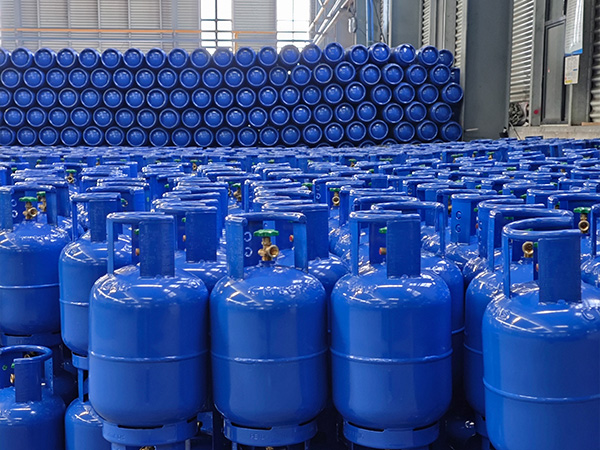
The demand for LPG cylinders keeps growing in Africa, Latin America, Southeast Asia, and South America because residential and commercial energy requirements expand steadily. Mintai Cylinder serves as an experienced manufacturer and exporter of 6kg LPG cylinders, providing dependable camping gas cylinders to Africa, Latin America, Southeast Asia, and South America. The growing use of LPG heightens the importance of safety at filling stations. Proper refilling methods guarantee that every gas cylinder refill follows high standards, which stops accidents and keeps fuel quality steady. Regular procedures in LPG distribution play a key role in safeguarding operators and end users, as these steps boost efficiency throughout the supply chain.
LPG cylinders used in distribution include key components: the steel body, valve assembly, base ring, and protective collar. Materials within these cylinders withstand pressure variations while filling and moving them. The 12.5kg LPG Gas Cylinder from Mintai Cylinder meets fuel needs for homes and companies across Ghana. Common sizes include 6kg, 9kg, and 12.5kg units, and each size serves different sectors such as household cooking, dining spots, or portable catering operations. The 6kg LPG cylinder (14.4L) performs effectively in large-scale distribution. This design integrates safety, strength, and affordability. These containers store gas under pressure, so precise refilling procedures stay essential to avoid excess filling or leaks.
Before a gas cylinder refill starts, a complete check confirms the container’s condition. Operators need to look for dents, rust, or damage on the cylinder surface. Production relies on HP295/Q235B steel. Careful methods for each cylinder. Pressure tests verify reliable quality in big production runs. Valves require review for effective sealing and cleanliness, which avoids contamination during the refilling process. Certification labels need confirmation to prove adherence to standards like ISO4706 or EN1442. Cylinders past their service period cannot undergo refilling, which upholds LPG cylinder handling safety.
The correct setup involves verifying that every empty LPG cylinder releases pressure before linkage to the filling setup. The operator connects the filling hose firmly with matching fittings, such as POL or QCC valves, based on local rules.
Overfill Protection: The system stops the filling process on its own. The cylinder reaches the suggested 80% capacity. This feature blocks too much internal pressure during temperature shifts.
In the refilling stage, weighing systems track the weight of gas added to each unit, which ensures precision and stops overfilling—a vital step for safety and rule following.
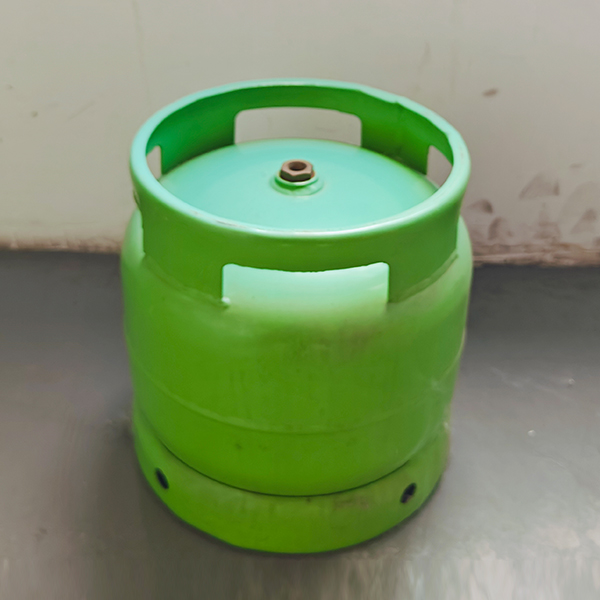
Once a gas cylinder refill finishes, leak checking takes priority as the following step. Soap solution or electronic leak detectors spot small leaks near valves or joints. Every filled unit demands proper sealing with protective caps before storage or transport, which secures lpg cylinder storage safety amid movement between sites or delivery to customers. The item comes with industry-standard safety valves. It contains pressure relief systems. Cylinders require upright handling in areas with good airflow, distant from heat sources.
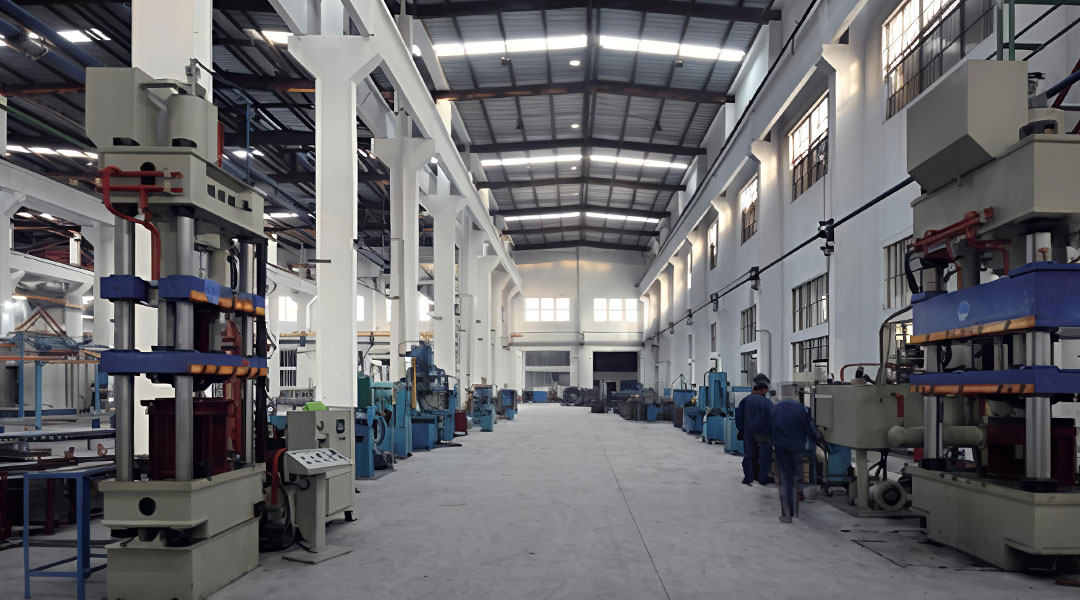
Current LPG filling stations depend on practical equipment like automatic weighing scales, precise flow meters, leak detection systems, and hydraulic testing devices to sustain uniformity in batches. The robust steel body resists impacts and rough treatment during transport. These tools allow operators to spot issues early, while automation and exact measurement control raise operational efficiency.
Mintai Cylinder’s tailored solutions incorporate these technologies into product design by providing OEM branding choices, specific colors, valve setups (POL / CGA / BS), and packaging options fit for export to markets in Africa or Southeast Asia. Such tailored cylinders comply with global standards and adjust to local setup needs, which boosts safety results and logistics performance for distributors handling large gas cylinder refill tasks.
A: The procedure includes checking for damage or rust before refilling. It also involves making a firm link to the filling gear. Next comes filling in a managed way with scales. After that, test for leaks once the job is done. Close valves tightly. Finally, make sure storage stays secure.
A: Overfill protection devices halt the gas flow on their own. They act when the suggested fill amount (typically 80%) is hit. Such action stops too much pressure from building up as temperatures change.
A: Strong HP295/Q235B steel gives lasting strength against rust and physical strain. This holds up during repeated handling in tough spots like markets in Africa or Latin America.
A: Checking the valve makes sure no gas leaks out while in use. Bad valves might let gas escape in a risky way when under pressure.
A: Yes, Mintai Cylinder provides tailored cylinders with OEM branding. Options include color picks and valve styles that fit local rules. Export packaging solutions come too. These aim at smooth delivery in growing markets.