
NEWS

news category

Table of Contents

    Last News

    Steel vs Composite LPG Cylinders: 2026 Industrial Buying Guide
    Industrial LPG purchasing has changed in 2026. Buyers are not only asking for a cheaper lpg cylinder...
    2026 LPG Cylinder Supply Resilience: How Buyers Secure Long-Term Reliability
    LPG cylinder procurement has grown more involved in 2026. Volatile energy prices, shifting freight timetables,...
    LPG Cylinder Valve Technology for Safer Industrial Applications
    In industrial fuel storage, safety rarely comes from one single part. A strong steel body matters. A...
    Lower LPG Cylinder TCO: Durable, Low-Maintenance Value from Mintai
    For gas distributors, industrial users, and commercial kitchens, talks about buying LPG cylinders have...
    Bulk LPG Cylinder Procurement Guide for Africa & Latin America 2026
    The market for LPG in Africa and Latin America is increasing rapidly because more industries and households...
    LPG Cylinder Pressure Rating Guide for Commercial & Industrial Use
    Pressure rating counts as one key aspect buyers tend to miss when picking an LPG cylinder for business...
    Achieving ISO/EN Compliance with Mintai High-Volume LPG Cylinders
    Introduction In industrial operations, safety and reliability aren’t just buzzwords—they’re the backbone...
    Mintai Export-Ready LPG Cylinders: Rigorous Quality Control for Global Markets
    Introduction Export-grade LPG cylinders are not simply metallic cylinders with paint and valves. To an...
    Sustainable LPG Cylinder Manufacturing: Mintai’s Eco-Friendly Strategy 2026
    Introduction Sustainability goes beyond a simple trend in manufacturing. It has turned into an essential...
    Refillable vs Disposable Gas Cylinders: Which Is Better for Bulk Buyers
    Growing Demand for Industrial Gas Cylinders Industrial gas use has jumped up in the last few years. This...
    Steel vs Composite LPG Cylinders: 2026 Industrial Buying Guide
    2026 LPG Cylinder Supply Resilience: How Buyers Secure Long-Term Reliability
    LPG Cylinder Valve Technology for Safer Industrial Applications
    Lower LPG Cylinder TCO: Durable, Low-Maintenance Value from Mintai
    Bulk LPG Cylinder Procurement Guide for Africa & Latin America 2026
    LPG Cylinder Pressure Rating Guide for Commercial & Industrial Use
    Achieving ISO/EN Compliance with Mintai High-Volume LPG Cylinders
    Mintai Export-Ready LPG Cylinders: Rigorous Quality Control for Global Markets
    Sustainable LPG Cylinder Manufacturing: Mintai’s Eco-Friendly Strategy 2026
    Refillable vs Disposable Gas Cylinders: Which Is Better for Bulk Buyers

    contact us

    How Do Professionals Reduce Risks During Gas Cylinder Filling?

    How Do Professionals Reduce Risks During Gas Cylinder Filling

    Gas Cylinder Filling: Risks, Safety, and Best Practices

    1. Common Hazards in Gas Cylinder Filling Operations


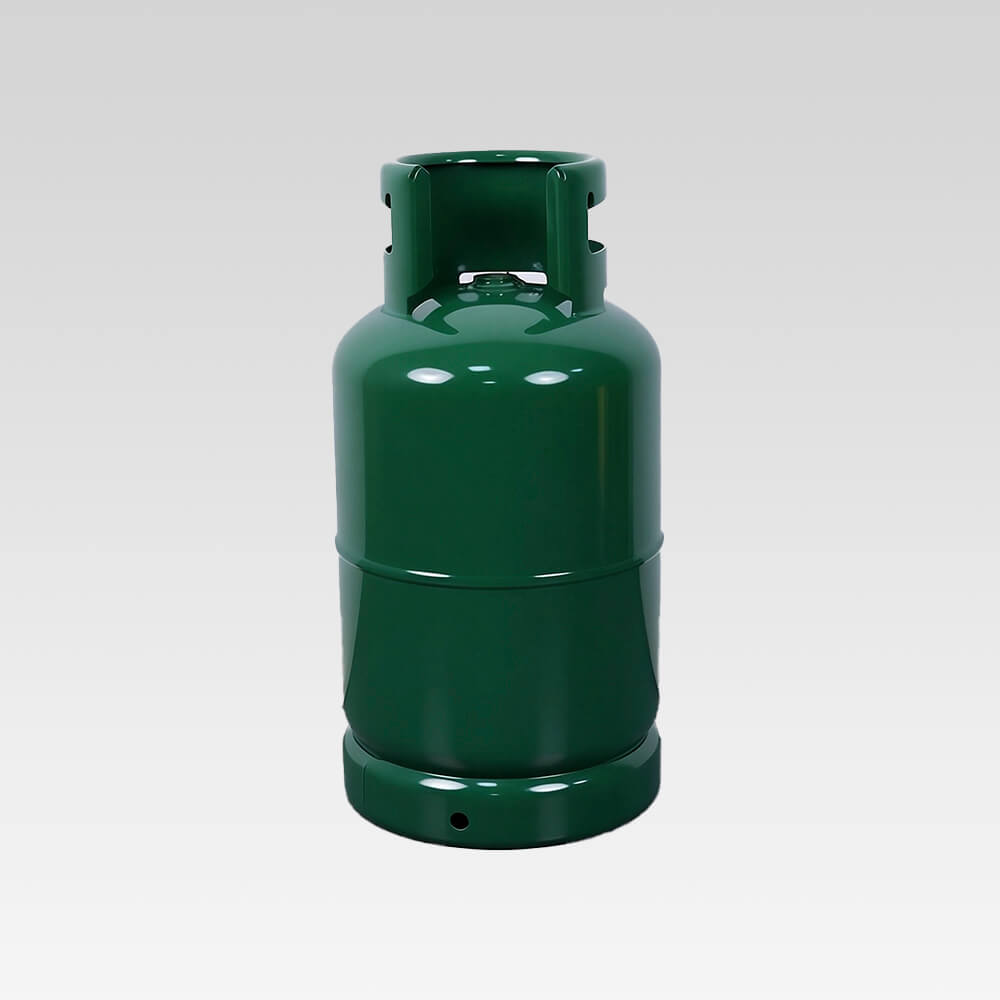
    12.5kg Lpg gas cylinder

    Gas cylinder filling comes with various dangers that demand careful management. Leaks from gas and possible explosions stand out as the biggest threats. This is true especially when dealing with high-pressure LPG cylinders. One small leak that goes unnoticed can cause major disasters. Workers might face health problems from breathing in harmful or flammable gases while filling. Fires can start easily in such cases. Plus, injuries from machinery happen often. These result from moving heavy cylinders and doing manual lifts.
    The 12.5kg LPG Gas Cylinder from Mintai Cylinder fits the fuel requirements of households and companies in Ghana. It is well-known for its dependability, strength, and effectiveness. This product provides a consistent and smooth gas flow for everyday cooking and business tasks. The same focus on reliability matters a lot in filling processes. There, safety valves and systems to release pressure help avoid mishaps.

    2. Importance of Gas Cylinder Filling Safety Protocols

    Safety rules guard workers, buildings, and the surroundings from events related to gas. They also help follow guidelines like those from OSHA and DOT. In addition, these steps cut down on harm to nature from gas spills that happen by accident. For instance, Mintai Cylinder stands out in producing sturdy LPG gas cylinders globally. The company puts effort into offering secure, trustworthy, and long-lasting ways to store gas. This commitment to high quality shows why structured safety setups are key in every filling location.

    3. Safety Measures for Gas Cylinder Filling

    a. Training and Certification for Gas Cylinder Filling Personnel

    Workers who handle gas cylinder filling need special training. This covers details about gas traits, ways to manage them, and how to respond in emergencies. Getting certified means operators know the limits on pressure. For example, they understand the 21-bar working pressure in Mintai Cylinder’s LPG cylinders. They can also deal with different types of cylinders safely. Ongoing learning allows techs to adjust to fresh tools, such as lines for automated filling.

    b. Personal Protective Equipment (PPE) in Gas Cylinder Filling

    Those operating the equipment ought to use clothes that resist fire, along with gloves, gear for eye safety, and sturdy shoes. These items stop burns or contact with chemicals. Moreover, PPE helps lower risks from breathing in the vapors of LPG. This occurs during steps like linking or unlinking parts.
    c. Equipment and Technology for Safe Gas Cylinder Filling


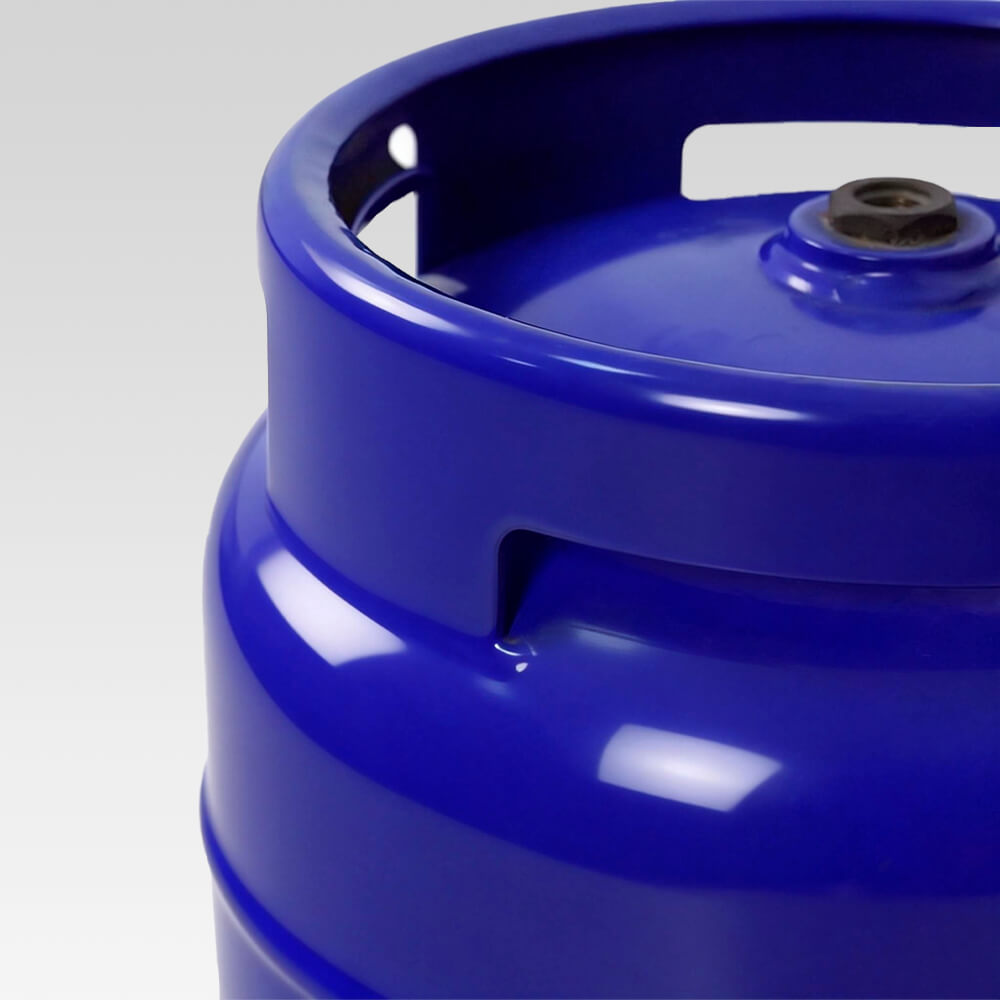
    6kg LPG Gas Cylinder from Mintai Cylinder

    Current setups rely on modern tools for filling cylinders. These include valves that shut off automatically to avoid filling too much. The 6kg LPG Gas Cylinder uses strong steel material. It comes equipped with a reliable valve setup. Such features highlight how tough materials aid in safe work. Systems that run on their own cut down on mistakes by people. At the same time, sensors to detect gas that are built in provide warnings early on if leaks appear.

    4. Procedures and Best Practices in Gas Cylinder Filling

    a. Pre-Filling Inspection in Gas Cylinder Filling

    Inspect each LPG cylinder carefully before starting the fill. Look for signs of damage like dents, rust, or dirt near the valve. It handles a working pressure of 21bar. And it withstands a test pressure of 31bar. Cylinders that pass these checks are ready for another use. But those with issues must go out of service right away.

    b. Safe Handling and Storage of Gas Cylinders

    When moving full cylinders, use carts or machines to help. This prevents drops or hits that could cause problems. Keep storage spots airy and separate full ones from empty ones clearly. The 9kg LPG Gas Cylinder from Mintai Cylinder suits the needs for regular cooking. Its firm steel build shows how solid design aids in safekeeping and moving.

    5. Regulatory Compliance and Standards for Gas Cylinder Filling

    a. Key Regulations Governing Gas Cylinder Filling

    Sticking to rules from local safety groups makes sure all filling work matches worldwide guidelines. Examples include ISO4706 or EN1442 standards that apply to Mintai Cylinder products. These rules lower risks in daily work and do this by setting times for checks, proper labels, and ways to test.

    b. Industry Standards and Best Practices in Gas Cylinder Filling

    Top methods in the field involve keeping good records for every filled item. Also, check gauges often to keep them accurate. Use codes for tracking on cylinders made to order. These serve markets in Africa or Latin America. Mintai Cylinder items match international safety standards. This matches with global rules and builds trust among users.

    6. Continuous Improvement in Gas Cylinder Filling Safety

    a. Safety Audits and Inspections in Gas Cylinder Filling

    Do checks on a regular basis to confirm work follows the right steps. These audits spot issues like old hoses or poor air flow. Planned reviews make sure custom options keep working well. They perform as expected without leaks or wear in the structure.

    b. Emerging Technologies and Innovations in Gas Cylinder Filling Safety

    Automation has changed filling stations for gas cylinders in recent times. It brings in systems for digital watching that check pressure levels as things happen.

    Overfill Protection: The system stops the filling process on its own. This new approach avoids risky high-pressure cases. At the same time, it boosts speed in big production areas. Such places are common in growing markets.
    Customized cylinder solutions from Mintai Cylinder let sellers choose valve types (POL / CGA / QCC / BS), colors for branding, or packaging that fits local shipping needs. This works well for areas like Africa or Southeast Asia. There, rough treatment during handling is typical.


    FAQ

    Q: What are the main risks during gas cylinder filling?

    A: The main risks include leaks leading to explosions, exposure to flammable gases, overfilling accidents, and mechanical injuries from handling heavy cylinders.


    Q: How do professionals ensure safe LPG gas cylinder filling?

    A: Professionals follow strict inspection routines, use automated shut-off systems, apply PPE standards, and maintain compliance with ISO4706-certified equipment such as that offered by Mintai Cylinder.


    Q: Why is training important for operators at gas filling stations?

    A: Training ensures personnel understand safe pressure limits, emergency response actions, proper connection methods, and maintenance of customized cylinders used across different regions.


    Q: What technologies improve safety during LPG cylinder filling?

    A: Advanced automation systems with leak detection sensors, digital monitoring dashboards, and overfill protection mechanisms significantly enhance operational safety levels.


    Q: Can customized cylinders improve efficiency at gas distribution centers?

    A: Yes, customized solutions designed by Mintai Cylinder—such as tailored valve fittings or color-coded identification—streamline logistics management while ensuring compatibility with regional infrastructure requirements across Africa, Latin America, Southeast Asia, and South America markets.


    Share the Post:

    Last News

    Steel vs Composite LPG Cylinders: 2026 Industrial Buying Guide
    Industrial LPG purchasing has changed in 2026. Buyers are not only asking for a cheaper lpg cylinder...
    2026 LPG Cylinder Supply Resilience: How Buyers Secure Long-Term Reliability
    LPG cylinder procurement has grown more involved in 2026. Volatile energy prices, shifting freight timetables,...
    LPG Cylinder Valve Technology for Safer Industrial Applications
    In industrial fuel storage, safety rarely comes from one single part. A strong steel body matters. A...
    Lower LPG Cylinder TCO: Durable, Low-Maintenance Value from Mintai
    For gas distributors, industrial users, and commercial kitchens, talks about buying LPG cylinders have...
    Bulk LPG Cylinder Procurement Guide for Africa & Latin America 2026
    The market for LPG in Africa and Latin America is increasing rapidly because more industries and households...
    LPG Cylinder Pressure Rating Guide for Commercial & Industrial Use
    Pressure rating counts as one key aspect buyers tend to miss when picking an LPG cylinder for business...
    Achieving ISO/EN Compliance with Mintai High-Volume LPG Cylinders
    Introduction In industrial operations, safety and reliability aren’t just buzzwords—they’re the backbone...
    Mintai Export-Ready LPG Cylinders: Rigorous Quality Control for Global Markets
    Introduction Export-grade LPG cylinders are not simply metallic cylinders with paint and valves. To an...
    Sustainable LPG Cylinder Manufacturing: Mintai’s Eco-Friendly Strategy 2026
    Introduction Sustainability goes beyond a simple trend in manufacturing. It has turned into an essential...
    Refillable vs Disposable Gas Cylinders: Which Is Better for Bulk Buyers
    Growing Demand for Industrial Gas Cylinders Industrial gas use has jumped up in the last few years. This...
    Steel vs Composite LPG Cylinders: 2026 Industrial Buying Guide
    2026 LPG Cylinder Supply Resilience: How Buyers Secure Long-Term Reliability
    LPG Cylinder Valve Technology for Safer Industrial Applications
    Lower LPG Cylinder TCO: Durable, Low-Maintenance Value from Mintai
    Bulk LPG Cylinder Procurement Guide for Africa & Latin America 2026
    LPG Cylinder Pressure Rating Guide for Commercial & Industrial Use
    Achieving ISO/EN Compliance with Mintai High-Volume LPG Cylinders
    Mintai Export-Ready LPG Cylinders: Rigorous Quality Control for Global Markets
    Sustainable LPG Cylinder Manufacturing: Mintai’s Eco-Friendly Strategy 2026
    Refillable vs Disposable Gas Cylinders: Which Is Better for Bulk Buyers

    contact us

    contact us

    Related products